Analysts predict Brent crude oil prices could surge beyond $200 per barrel if the ongoing Gulf conflict extends another three months until June. This escalation hinges on the war’s duration, shaping the global economy’s trajectory.
Two Key War Scenarios
Experts outline two outcomes: the conflict ending by late March or persisting through June. In the short-term scenario, prices drop rapidly but remain elevated above pre-war levels. Global GDP growth slows modestly compared to last year, while energy markets gradually rebalance.
The current oil shock exceeds peaks from the 1970s crises and prior Gulf Wars. With the Strait of Hormuz largely closed, approximately 13% of global oil production faces shutdown by March’s end.
Current Market Volatility
Amid fluctuating ceasefire negotiations and Iran’s rejection of a U.S. proposal, prices hover near $90 per barrel this week, occasionally topping $100. Strategic reserves totaling 1.2 billion barrels among International Energy Agency members, including Canada, plus China’s substantial stockpiles, may cushion short-term disruptions.
Risks of Prolonged Conflict
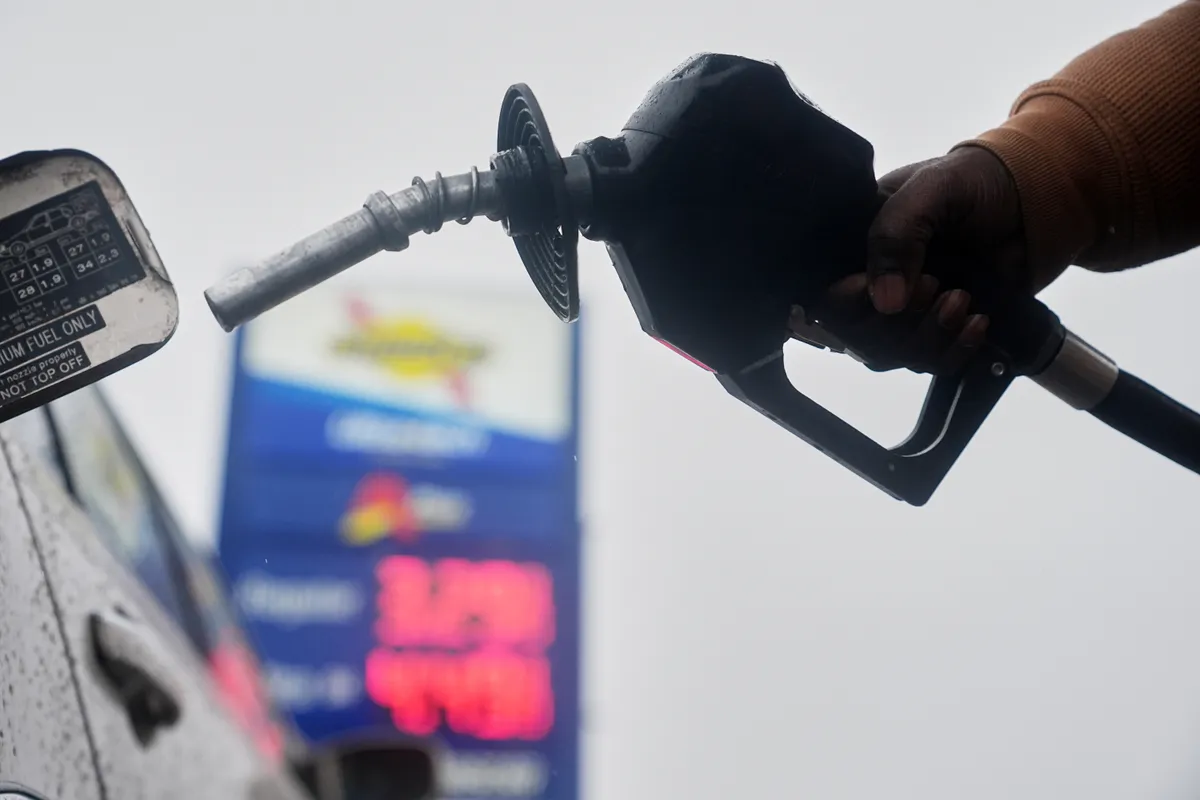
An extended closure of the Strait demands extreme price hikes to curb global oil demand historically. Such a scenario translates to $7 per gallon at U.S. pumps, up from the current $3.90 average. Three more months of fighting sparks recession fears worldwide.
Iran’s military command recently echoed this outlook, urging preparation for $200 oil amid attacks on ships in the blockaded Gulf. Markets anticipate a swift victory declaration from President Trump, though victory remains undefined. Recent strikes on regional energy infrastructure heighten risks of further price surges to force a near-term resolution.