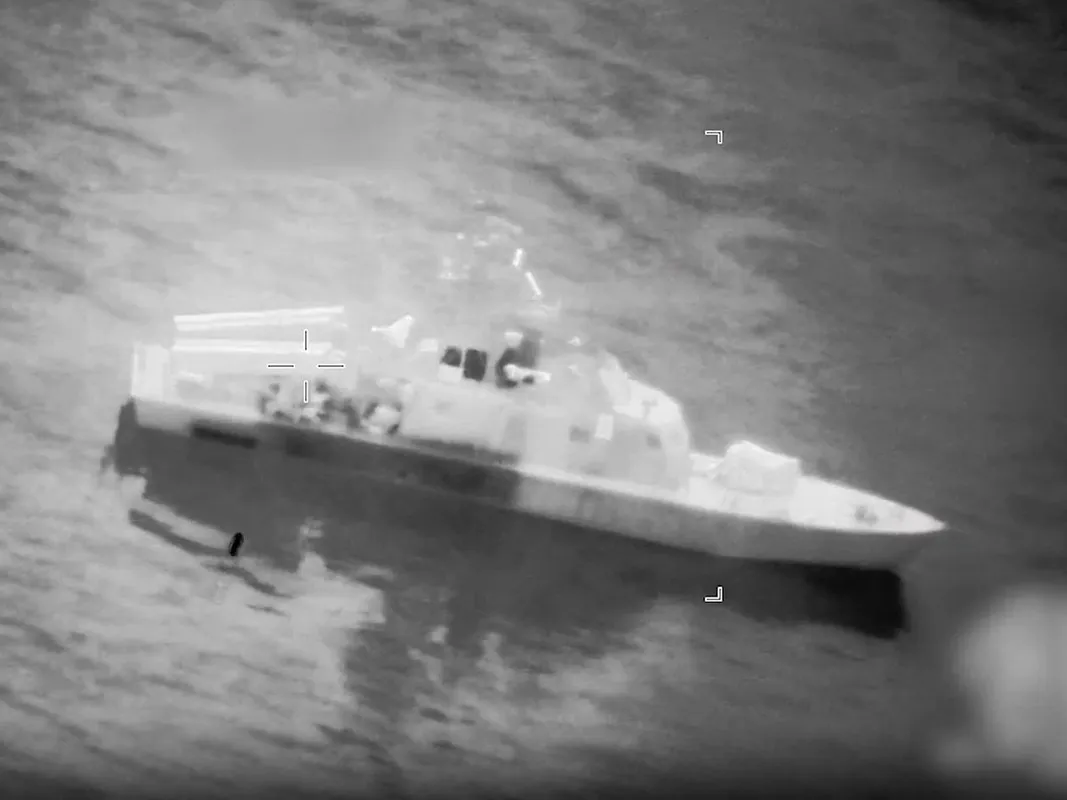
Iran seeks to disrupt vital oil traffic through the Strait of Hormuz in response to recent U.S. and Israeli strikes, with concerns mounting over potential sea mine deployments. U.S. forces have destroyed 28 Iranian mine-laying vessels, President Donald Trump announced on Wednesday, more than a week into the Middle East conflict. Deploying mines in this critical shipping lane, as occurred in the 1980s, creates major hurdles for Western demining operations.
What Are Sea Mines?
“Mines serve as the weapon of the poor,” notes a former senior French navy officer and subject specialist. “Yet they deliver a core threat to maritime commerce and naval freedom of movement.”
Iran’s Mine Capabilities
Estimates place Iran’s naval mine stockpile at 5,000 to 6,000 units, including hard-to-intercept drifting mines, according to researcher Elie Tenenbaum. Contact mines float on the surface or anchor to the seafloor and detonate upon hull contact. “This represents the simplest, most cost-effective mine and the primary danger in the Strait of Hormuz,” the ex-navy officer explains.
Iran also deploys influence mines suited to the Gulf’s shallow depths, which trigger under large vessels. Speedboats can affix limpet mines to ship hulls for timed explosions. U.S. Defense Intelligence Agency assessments from 2019 highlight Iran’s ability to swiftly lay mines in the Persian Gulf and Strait of Hormuz using fast-attack boats like the Ashoora class, fitted with mine rails. Smaller vessels can adapt for covert operations.
Historical Deployments
Iran employed sea mines during the 1980s “Tanker War” with Iraq, prompting U.S. escorts for commercial shipping. In the 1991 Gulf War, Iraq laid 1,300 mines, severely damaging two U.S. Navy ships, including the USS Princeton, which required roughly $100 million in repairs, per U.S. naval expert Scott Truver. Coalition forces spent over two years in intensive countermeasures to clear the northern Gulf.
Demining Challenges
Western allies possess demining resources for the Strait of Hormuz, but operations demand extensive time and complexity. The U.S. retired four Avenger-class minehunters from Bahrain in January, replacing them with multi-role ships lacking dedicated mine countermeasures. “Strategically emplaced sea mines could emerge as the Achilles’ heel of U.S. naval efforts,” warns the Center for Maritime Strategy, noting acquisitions by Iran, China, and Russia.
Tenenbaum assesses European capabilities as stronger than America’s but still insufficient against this threat. Britain removed its final Gulf-based minehunter in December after two decades. France maintains eight specialized vessels, reduced from 13, with none recently deployed there. Belgium and the Netherlands lead in expertise but await advanced ships for drone-based mine detection and neutralization. Gulf states rely on demining divers, though the ex-navy officer stresses, “Neutralizing mines requires locating them first.”