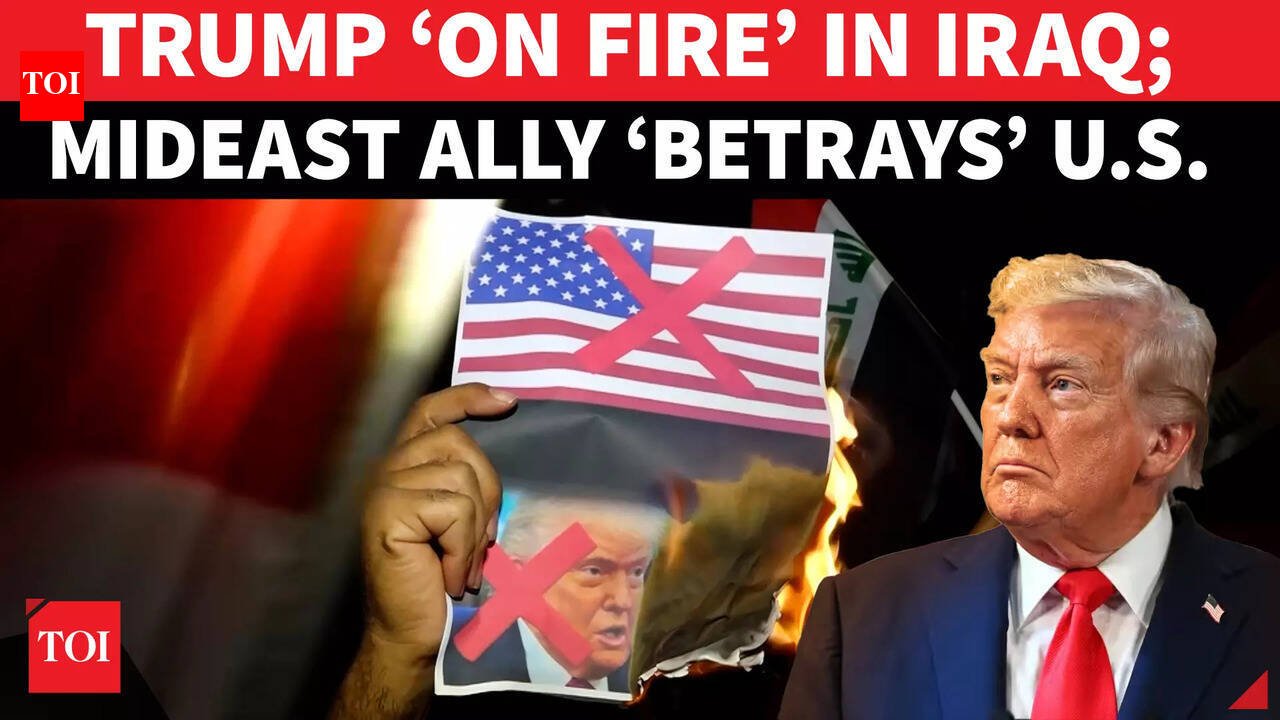
Mass Demonstrations in Baghdad Signal Rising Nationalist Sentiment
Tensions reached a boiling point in Baghdad this week as hundreds of protesters gathered near the United States Embassy to voice their opposition to perceived foreign interference in Iraq’s internal governance. The demonstrations, characterized by the burning of images of President Donald Trump, underscore a growing wave of nationalism and a rejection of external influence over the nation’s sovereign political process.
The Spark of Unrest: Warnings and Financial Threats
The immediate catalyst for the unrest appears to be recent warnings issued by the Trump administration regarding the potential return of former Prime Minister Nouri al-Maliki to a position of power. Coupled with these warnings were explicit threats to withdraw or significantly reduce U.S. financial aid to the country. Protesters viewed these statements not as diplomatic advice, but as an infringement on Iraq’s right to self-determination.
Crowds at the scene were heard chanting slogans such as “Tyrant, don’t interfere,” directed at the American leadership. The backlash reflects a deep-seated frustration among many Iraqis who believe that domestic leadership transitions should be handled exclusively by the Iraqi people and their elected representatives, rather than being dictated by Western interests.
A Fragile Stability Under Pressure
Iraq is currently navigating a precarious period of relative stability following decades of devastating conflict. However, this stability is being tested by the delicate balancing act Baghdad must perform between its relationship with Washington and its ties to regional powers. The recent diplomatic friction threatens to destabilize this equilibrium, as local political factions increasingly view foreign aid as a tool for political leverage rather than humanitarian support.
The Broader Impact on Foreign Relations
Analysts suggest that the current climate of hostility could complicate future cooperation on security and economic development. As nationalist sentiment grows, the Iraqi government faces mounting pressure to distance itself from foreign dictates. The events at the embassy serve as a stark reminder of the challenges inherent in maintaining international partnerships while respecting the sovereign demands of a population weary of external oversight.
As the situation develops, the focus remains on whether diplomatic channels can de-escalate the rhetoric or if the continued threat of aid cuts will further alienate a key Middle Eastern partner.