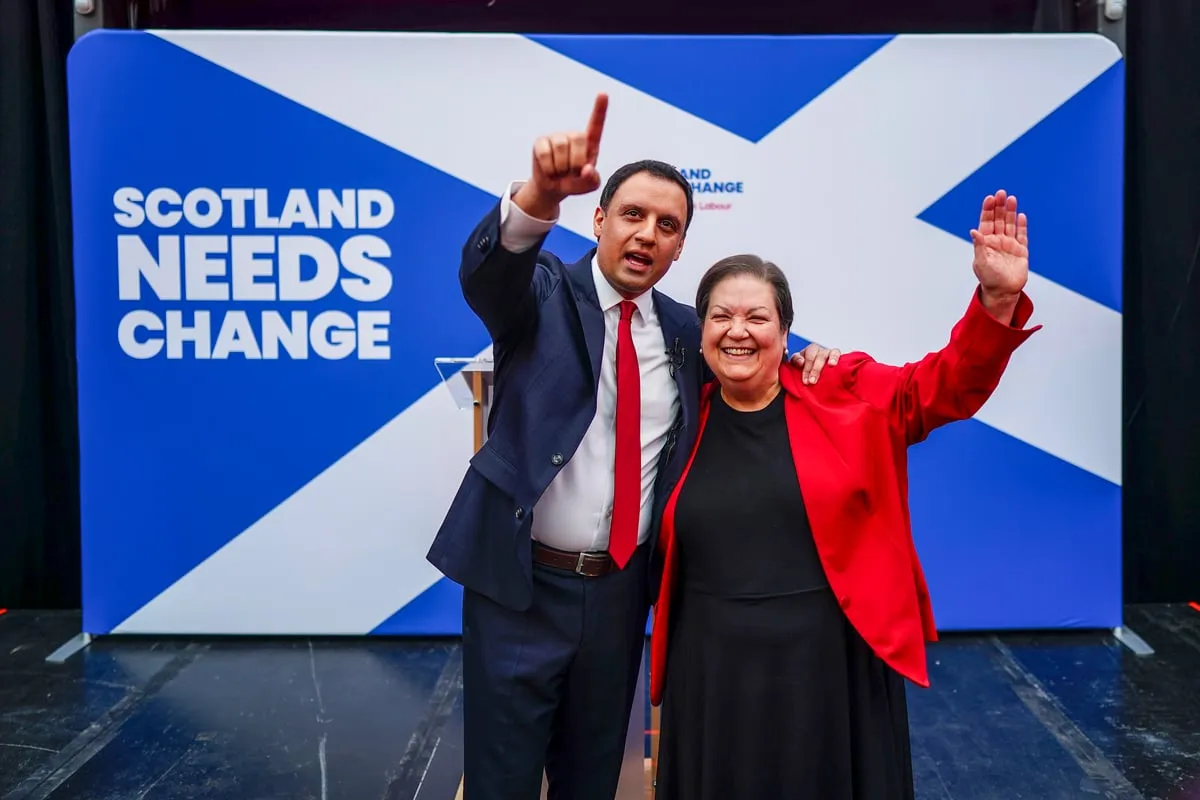
Labour identifies a potential path to leading the next Scottish government by capturing a dozen constituencies from the SNP, bolstered by a robust Reform performance on the regional list that could deny John Swinney’s party control of Bute House.
Central Belt Battlegrounds
In key Central Belt areas, where contests pit Labour directly against the SNP, flipping 11 or 12 seats could yield three major party blocs. Labour anticipates emerging as the sole viable option for government formation, potentially with Reform’s support, claiming a “moral mandate” to lead.
This strategy hinges on polls narrowing to a four- or five-point gap. Labour currently lags the SNP by about 18 points, demanding a significant shift in voter sentiment in the weeks ahead.
The plan envisions unionist parties, including Reform, backing Anas Sarwar as first minister post-election, enabling a minority Labour administration.
SNP leader John Swinney cautions that a shortfall from a majority might prompt Labour and Reform to forge a “grubby backroom deal” to remove his party from power.
Labour’s Optimism Despite Odds
A senior Scottish Labour source emphasizes that the election outcome rests on 30 to 40 Central Belt constituencies. Despite challenging polls, “there is still a route to us winning this election.”
The source notes: “The uneven distribution of voters across the country means we can actually trail the SNP by about five points and win in those Central Belt constituencies. We disproportionately have our voters in those seats. The SNP’s voters are across the whole of Scotland.”
Many Central Belt races promise tight Labour-SNP battles, with “a lot to play for.” The source adds: “The list makes it really hard for whoever loses constituency seats. The Scottish electoral system is really punishing, and it cuts both ways.”
Projected Scenarios
Analysis forecasts that securing four of six Glasgow constituencies would limit SNP regional list gains, thanks to Reform’s strength. Reform could claim the top non-constituency party spot, securing seats and splitting others between Labour and the SNP.
“If there are two parties going head to head in constituency seats and one ekes ahead of them just a little bit, the other one can get absolutely annihilated on the list,” the source explains. “This means you could see the SNP losing around 11 constituencies for us to be basically neck and neck because of the consequent loss on the list. That’s because Reform will take the seats on the list.”
Such dynamics could balance seats into three blocs: Labour, SNP, and Reform. Labour banks on unionists favoring Sarwar over Swinney, asserting: “We would have the moral mandate having come from third, even if we are marginally behind the SNP as the biggest party.”
Key Voices and Polling Realities
Scottish Labour deputy leader Jackie Baillie states: “In constituencies all over Scotland it is a straight fight between Scottish Labour and the SNP. Only Scottish Labour can beat the SNP in key seats in the Central Belt and beyond and only Anas Sarwar can replace John Swinney as First Minister.”
However, Mark Diffley, founder and director of Diffley Partnership, deems Labour’s Central Belt challenge improbable under current polls. “Yes, it is true that if Labour get to within four or five percentage points of the SNP, they have a decent chance of being the largest party. But, at this point, they are actually about 18 points behind the SNP. There is little sign of that gap closing.”
Diffley notes the strategy assumes voters perceive straight Labour-SNP fights, which might spur Green support for SNP and yield only marginal Labour gains. Reform’s voter base, drawn to anti-establishment appeal, shrugs off recent scandals.
SNP Westminster leader Stephen Flynn dismisses Labour’s pitch: “From Labour’s perspective, we’ve heard it all before. All they’ve had is absolute chaos coming out of Westminster. The Labour party made a promise to deliver change and they’ve failed. People are not going to fall for it again. If they want strong, serious leadership in a very uncertain world, the best person to vote for to be first minister is John Swinney.”
Anas Sarwar and top Labour figures plan visits to all eight electoral regions and about 40 constituencies in the coming period.