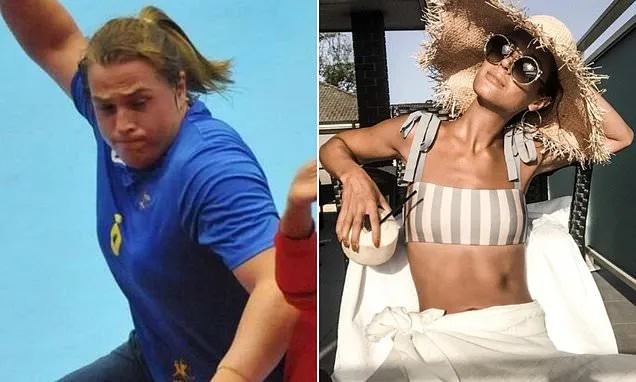
Australian sports presenter Lucy Zelić strongly supports the International Olympic Committee’s decision to limit women’s events to biological females starting at the 2028 Los Angeles Games. She views the policy as essential to safeguard the integrity of women’s competitions after prolonged debates on inclusion.
New Genetic Testing Policy
The IOC framework requires athletes in women’s events to undergo a one-time genetic screening for the SRY gene, linked to male biological development. Tests use non-intrusive methods like cheek swabs, saliva, or blood samples. Zelić describes this as a minor step to protect women and girls in sports.
The policy emphasizes science-based fairness and safety, with commitments to support athletes affected by differences of sex development (DSD). Zelić highlights these assurances, noting, ‘While there have been confronting instances throughout history where some athletes have discovered through the testing process that they were born with Differences of Sex Development, I commend the IOC’s recent announcement that they will focus on providing support mechanisms to assist these participants and their mental health concerns.’
Zelić’s Critique of Past Policies
Zelić argues that prioritizing inclusion has corrupted women’s sports. ‘This is a much-welcomed but long-overdue determination and will go towards undoing the historic damage and egregious results that the prioritisation of ‘inclusion’ has produced,’ she states.
She stresses that elite sports focus on fair, safe competition, not broad inclusion. ‘Elite individual and team sports has never, nor should it have ever, been about inclusion. It’s about the best athletes in the world being given an opportunity to compete fairly, safely, and be rewarded for their life-long dedication to their chosen sport.’
Zelić rejects labels like ‘biological’ or ‘cis-gender’ women, insisting, ‘We are not ‘biological’ women, we are not ‘cis-gender’ women – we are just women. Talented, strong, ambitious and deserving of protection, safety and a level playing field which should exist from the elite level, right down to the grassroots.’
She urges other bodies, such as Football Australia and Netball Australia, to adopt similar rules and dismisses testosterone suppression as inadequate for eliminating male advantages, citing Australian Sports Commission guidelines.
Background and High-Profile Cases
The debate gained prominence with cases like Algeria’s Imane Khelif, who won Olympic gold in Paris 2024 amid gender eligibility questions, and New Zealand’s Laurel Hubbard, the first openly transgender woman at the Tokyo Olympics. IOC President Kirsty Coventry defends the ban, stating it is ‘not fair for biological males to compete in the female category.’
Opposition and Broader Debate
Critics, including Amnesty International’s Steve Cockburn, warn of risks: ‘The greatest risk is … that women and girls all over the world – and especially from the Global South – might be subjected to further hate and discrimination and excluded from sport.’
Dsdfamilies spokeswoman Ellie Magritte adds, ‘Fairness in competition is important, but eligibility rules must also be proportionate and aligned with contemporary standards of DSD care, rather than creating foreseeable and avoidable harm to this vulnerable minority group. We are concerned that proposed processes do not always demonstrate the level of understanding, dignity and respect that this issue requires.’
Zelić acknowledges impacts on a minority but prioritizes the majority: ‘I understand that this ruling will affect a minority but we cannot continue to place the needs of a minority over the majority of women when so much is at stake.’
The IOC policy stems from consultations with experts and athletes, applies prospectively, and excludes grassroots levels. It aims for a unified standard amid varying federation rules, with ongoing scrutiny expected ahead of 2028.