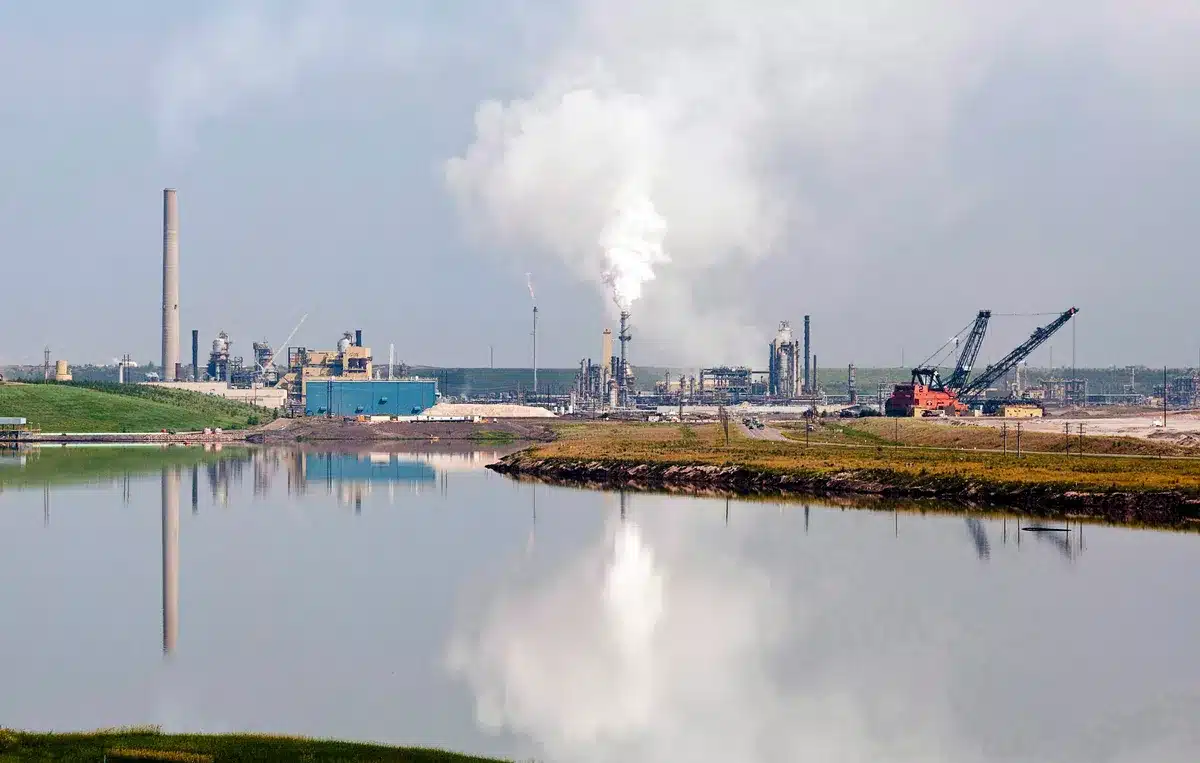
The Pathways Alliance, a consortium of oil sands producers aiming for net-zero production emissions by 2050, has rebranded as the Oil Sands Alliance to better represent its comprehensive role in advancing the sector.
New Name Captures Full Industry Scope
Kendall Dilling, president of the alliance, explained that while the group’s prominent carbon-capture initiative known as Pathways has dominated attention, its efforts extend far beyond emissions reduction. “From day one, we’ve been the full-service industry association for oil sands,” Dilling stated.
The organization addresses multiple environmental priorities, including air and water protection, biodiversity preservation, land-use planning, and site reclamation.
Pathways Carbon-Capture Project Advances
At its core, the alliance’s carbon capture and storage (CCS) project features a 400-kilometre pipeline system to transport captured emissions from oil sands facilities to a storage hub near Cold Lake, Alberta. This infrastructure targets a reduction of 22 megatonnes of emissions annually.
The project currently progresses through technical and engineering design phases, with ongoing regulatory applications and stakeholder consultations. Financial commitments from member companies remain confidential, but Dilling confirmed active negotiations with federal and Alberta governments. “Three parties are at the table working really hard to get to yes; everybody wants this project to happen,” he said.
Government Agreements and Timelines
A November energy pact between Ottawa and Alberta outlines construction of the Pathways project by 2040, with phased emissions reductions. Prime Minister Mark Carney has emphasized that progress on oil sands emissions cuts, including this initiative, serves as a prerequisite for approving new export pipelines to Canada’s coasts.
The memorandum includes a commitment to a tri-lateral MOU by April 1, 2026, focusing on CCS and solvent-based production methods. Initial phases aim to commence operations between 2027 and 2040.
Linking Emissions Cuts to Growth
Dilling highlighted the project’s national significance, tying it to expanded oil sands output and new pipeline capacity. “If we do Pathways, and you build a new pipeline, and you add a million barrels a day of production to fill it, that is massive,” he noted. “That’s north of $100-billion in capital investment and the associated jobs and supply chain.”
“This is the national interest project. There’s really nothing that touches that scope,” Dilling added.
Regarding timelines, Dilling stressed urgency without fixating on interim dates. “There is nothing magic about April 1 for us. This work will be ongoing for much, much longer after that, just given the scope and scale of the project.”