Smartphones at live concerts divide music fans sharply. Frequent attendees often lament that phones detract from the immersive experience, yet proposals for phone-free shows provoke backlash.
Harry Styles’ Phone-Restricted Manchester Show
Rumors of a phone ban at Harry Styles’ one-night Manchester performance initially upset some fans. The event proceeded phone-restricted, with Netflix capturing the entire show for a stream airing March 8 at 7pm GMT. Attendees placed devices in thin plastic bags that obscured cameras while keeping phones accessible.
This setup highlighted a clear split: some embraced the distraction-free vibe, while others demanded the right to record personal moments after paying premium ticket prices.
Fans Voice Strong Opinions
One fan, Steve P. Queen, advocates for outright bans, urging attendees to “live in the moment” and avoid “a sea of phones.” Chad Blake echoes this, noting, “All you see these days [are] phones everywhere and no dancing.”
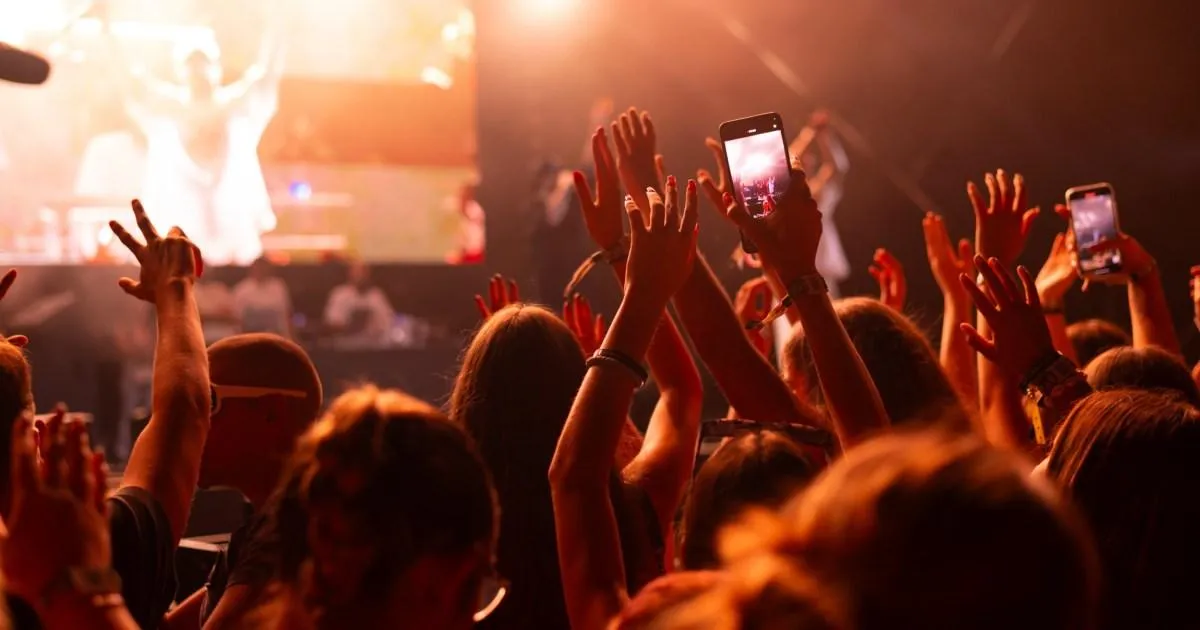
Critics highlight practical issues. Ian Speed points out that phones block views when held high. Warren James describes recent concerts as “a solid wall of people… holding their phones up high enough to see over everyone else,” creating “a sea of glowing phone screens” that ruins the view unless positioned at the front.
On the other hand, Peter Glass views filming as “part of making memories,” especially after spending hundreds on tickets. Debs Wright finds beauty in phone lights during slow songs, calling the swaying crowd “beautiful.”
Artists Enforce Phone-Free Moments
Florence + the Machine pauses during “Dog Days Are Over” to demand fans pocket devices. She calls out offenders until they comply, leading to rare, fully engaged crowds with arms raised high.
Dr. Roberta Katz explains how fear of online judgment stifles spontaneity: “There was gossip, there was bullying, but it was never at scale. Today, that behaviour and responses to behaviour can be at scale.” This self-imposed surveillance makes even dancing risky.
Viral potential tempts filmer, but raised arms obstruct others’ sightlines.
Past Efforts and Solutions
In 2016, Alicia Keys required fans to lock phones in Yondr pouches, accessible only outside venues. Yondr founder Graham Dugoni launched the company after witnessing a drunk dancer filmed and shamed online at a festival. He calls phones a “crutch” that undermines productivity and questions modern privacy expectations.
Yondr has partnered with artists like Madonna and Childish Gambino for phone-free zones.
Finding Balance
While full bans spark resistance—fans cite medical needs or filming desires—a compromise emerges: limit recording to favorite songs. Most footage rarely gets rewatched, cluttering storage instead. Self-control, not total prohibition, may enhance enjoyment for all.