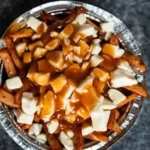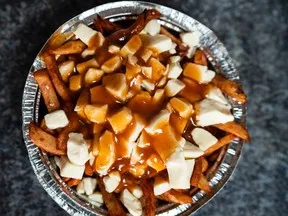
Quebec advances plans to grant protected geographical status to its fresh cheese curds, a key ingredient in authentic poutine. The Conseil des Industriels Laitiers du Québec (CILQ), the province’s dairy industry association, spearheads the initiative for a Protected Geographical Indication (PGI). This status lets producers affix an official seal to their products, but only if every stage—from raw milk to final packaging—happens within Quebec borders.
Safeguarding Distinctive Traits
The PGI targets the unique meltability and heat resistance of Quebec’s “fromage en grains du Québec.” These qualities make the curds ideal for poutine.
Dr. Sylvain Charlebois, visiting scholar at McGill University and known as The Food Professor, notes: “If adopted, the milk used to make the cheese would have to come from Quebec and the curds made there too. If you’re outside Quebec, you’re basically out of luck.”
The Conseil des Appellations Réservées et des Termes Valorissants (CARTV) manages PGIs in Quebec, certifying products tied to local geography and culinary heritage. Examples include Quebec icewine, Neuville sweet corn, and Charlevoix lamb.
Maintaining Standards and Global Appeal
Charles Langlois, president and CEO of the CILQ, describes the PGI specifications as a precise recipe that ensures consistent authenticity regardless of the producer.
Objectives focus on preserving Quebec’s food heritage, measuring producer interest in certification, and elevating cheese curds on the world stage amid poutine’s rising international fame.
“(W)e want to be able to tell outside consumers that if you want the original (poutine), you need Quebec cheese curds with the reserved designation seal,” Langlois states.
From Humble Beginnings to Global Staple
Poutine emerged in rural Quebec during the 1950s, initially dismissed as junk food. Today, it stands as an iconic comfort dish, with variations featuring diverse toppings across Canada, the U.S., Europe, and Asia.