Denial of Connection to Major Takedown
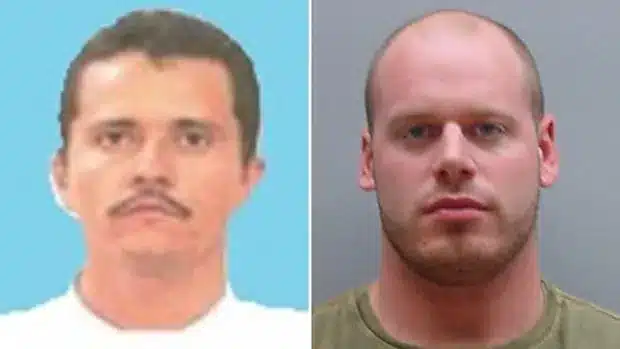
Ontario native and alleged cocaine kingpin Ryan Wedding played no part in the intelligence that led Mexican forces to the notorious cartel leader known as El Mencho, according to his attorney. The operation that resulted in the death of Nemesio Oseguera Cervantes occurred exactly one month after authorities took Wedding into custody in Mexico, sparking online speculation about a possible link.
“There is zero connection between Mr. Wedding and the action,” stated California-based lawyer Anthony Colombo.
Wedding’s Background and Arrest
A former Olympic snowboarder from Thunder Bay, Ontario, the 44-year-old Wedding allegedly oversaw a violent smuggling network transporting 60 tonnes of cocaine annually across North America. U.S. officials describe him as Canada’s largest cocaine importer. Following his January arrest in Mexico, authorities quickly transferred him to California, where he entered a not guilty plea to charges of murder and drug trafficking.
Mexican officials credit the location of Oseguera to a tip from an associate of one of his romantic partners, bolstered by U.S. intelligence support. Both men ranked as top priorities for U.S. authorities, each carrying a $15 million reward for capture information.
Cartel Ties and Operations
Unlike Oseguera, the leader of the Jalisco New Generation Cartel (CJNG), Wedding operated primarily as a large-scale logistics coordinator, moving drugs over vast distances with advanced methods. The FBI notes he received protection from the Sinaloa cartel, once headed by Joaquín “El Chapo” Guzmán. While no direct public ties linked Wedding to CJNG, evidence suggests occasional collaboration between their networks.
Wedding’s key associate, Canadian Andrew Clark, faced arrest by Mexican forces in October 2024. Mexico’s security minister, Omar García Harfuch, revealed Clark managed logistics for both Sinaloa and CJNG. Clark later became an FBI informant, aiding investigations into Wedding’s group.
Canadian Drug Seizures and Violence
U.S. authorities allege Wedding dominated Canada’s cocaine supply. Investigators link his network to a massive Toronto seizure under Project Castillo, where police recovered 835 kilograms of cocaine valued at $83 million on the street. The haul bore hallmarks of CJNG operations and targeted distribution across Canada.
Toronto-based crime analyst Luis Nájera, originally from Mexico, warns such busts often trigger retaliation. “When this kind of seizure happens, there’s people who have to pay for that,” he explained. “And usually payment is basically, your life.”
Expected Price Surge in Cocaine Market
Police in major Canadian cities anticipate Oseguera’s elimination will drive up bulk cocaine prices. Toronto investigators predict a rise from the current $21,000 to $26,000 per kilogram range due to Mexican disruptions, according to spokesperson Ashley Visser.
In Montreal, prices hit $33,000 per kilogram shortly after Wedding’s arrest before settling at $21,000, within normal levels, said police spokesperson Samantha Velandia. Fluctuations affect traffickers more than end users, but rising costs often lead to purer product initially, followed by dangerous adulterants.
Federal Public Safety Minister Gary Anandasangaree views the setback to organized crime positively. “Any type of reduction in the capacity of transnational organized crime networks to be able to do their trade is important,” he noted. “Sometimes, it’s short lived.”