Discovering a Hidden Legacy of Resilience
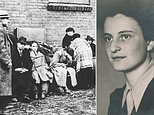
To her grandchildren, Rosi Schul appeared as a kind, proud, and talented German woman with impeccable style, known for a distant ‘great adventure’ in her past. In reality, she endured arrest, imprisonment, and deportation by the Nazis simply because she was Jewish. Actress and impressionist Jess Robinson uncovers this poignant history in her book, drawing from Rosi’s diary entries spanning October 1938 to March 1943, when Rosi was just 23 years old.
Idyllic Beginnings in Esslingen
Rosi grew up in a nurturing home rich in music and culture, where she mastered the piano and guitar. Surrounded by siblings, she naturally pursued a career in teaching, landing a role at an orphanage in the picturesque town of Esslingen near Stuttgart. This serene setting, with its rolling hills and charming community, became Rosi’s benchmark for perfection, often compared to the English countryside she later encountered.
In Esslingen, Rosi thrived: staging plays with the children who adored her, discussing literature with headmaster Herr Rothschild, and enjoying innocent crushes. Her life echoed the vibrancy of a joyful caregiver, much like a character from a classic tale, though without the formal vows or cinematic romance.
The Sudden Grip of Terror
That idyllic existence shattered on October 28, 1938, at 10:30 p.m., when Gestapo officers arrived to seize Rosi and three young charges. She gathered essentials, bid farewell, and took little Theo’s hand, urging the boys to stay cheerful. Unaware of the grim fate ahead, she faced a cold cell before guards herded them like livestock into train cars, shoving stragglers with brutality.
In a quiet act of resistance, Rosi retrieved her guitar—delivered by Herr Rothschild to the prison—and sang to comfort her fellow detainees. The group reached the Polish border town of Zbaszyn on November 1, 1938, joining thousands of expelled Jews in makeshift shelters like stables and platforms, with scarce food and water.
Stoicism Amid Hardship
Rosi’s diaries reveal remarkable maturity: facing Germany’s unyielding power, she chose resilience over despair, avoiding upset or pleas. Around 7,000 Jews were expelled that November, stranded at the border in dire conditions.
Intertwined Narratives Across Generations
Robinson weaves a compelling parallel by interspersing her own 2006 diaries alongside Rosi’s, highlighting shared experiences of two young women decades apart. While Rosi navigated Nazi survival, Robinson grappled with modern London’s challenges like mortgages, assaults, and career hurdles.
On the day Rosi arrived in Zbaszyn, cramped and filthy like animals in a sty, Robinson finalized home financing. When Robinson faced an unwanted advance from a taxi driver, Rosi focused on uplifting children back in Esslingen. Even rejections tied to appearance—for being ‘too Jewish’—echoed Rosi’s peril for her heritage.
These contrasts underscore universal youthful struggles: love, loss, and growth. Both women transformed through trials—Rosi via internment’s horrors, where she spent over six months teaching and entertaining children to preserve normalcy; Robinson through assaults, a breakthrough role on a BBC comedy show, homeownership, and ditching a toxic partner, eventually turning to teaching like her grandmother.
Reclaiming Roots and Family Bonds
The narrative culminates in Robinson’s family—her mother Jackie, aunt Stephie, sisters, and niece, playfully called the ‘cool bitches’—pursuing German citizenship. This quest prompts Robinson to delve into Rosi’s archived diaries, photos, and papers, unveiling the concealed ‘adventure’ Rosi guarded for nearly 80 years.
Family dynamics surface starkly: Jackie, a skilled pianist, recalls strict upbringing—practice over play, critiques on weight or suitors—fostering resentment. Younger Stephie remembers warmth and devotion. Text exchanges reveal sibling tensions, yet progress toward acceptance peaks with their new passports.
This closure aligns with a heartfelt reunion at The Wiener Holocaust Library in London, where Rosi reconnects with former charges, hearing choruses of ‘you were like a mother to me.’ Through these steps—reunions and reclaimed citizenship—the family honors Rosi’s enduring love for Germany while healing a sense of displacement.