Scientists have unveiled a smart T-shirt equipped with up to 50 sensors to detect hidden inherited heart conditions, potentially benefiting hundreds of thousands at risk of sudden cardiac death.
Traditional monitoring requires patients with symptoms like chest pain or dizziness to use portable devices with sticky electrodes and wires connected to a waist monitor. These setups complicate daily activities such as showering. The new T-shirt simplifies this process by embedding sensors directly into comfortable sportswear-style fabric.
Development and Capabilities
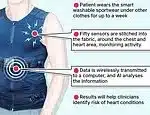
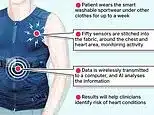
Developed through a collaboration between the British Heart Foundation and Imperial College London, the T-shirt targets rare inherited heart disorders. Patients wear it continuously for up to a week, far longer than the one- to two-day standard ECG monitors. Sensors capture the heart’s electrical signals, transmitting data wirelessly to a computer where AI analyzes it and alerts doctors to potential issues.
In the UK, around 340,000 individuals live with these conditions, which elevate the risk of fatal heart rhythms. Such disorders claim the lives of 12 young people under 35 each week and can trigger symptoms like breathlessness or fainting during routine activities.
Far too many people die from inherited heart conditions which could be treated if they were identified earlier,” said Zachary Whinnett, Professor of Cardiology at Imperial College London. “One of the challenges of diagnosis today is that irregular heart rhythms may not always occur during routine 10-minute hospital ECGs or even 48-hour ECG monitoring at home. We hope our AI-assisted T-shirt will provide a practical and comfortable solution, allowing us to carry out longer-term scanning that could improve diagnosis. By harnessing the power of AI, we hope our research can transform doctors’ abilities to spot these conditions and improve the lives of those who are unknowingly living with a genetic heart condition.”
How the Smart T-Shirt Works
- Made from washable sportswear material that fits comfortably under clothes
- 50 sensors stitched around the chest monitor ECG signals continuously
- Data streams wirelessly to AI software for real-time analysis
- Flags abnormalities for clinician review
Patient Stories and Trials
Carly Benge, a 38-year-old teacher from Watford diagnosed with Brugada syndrome—a dangerous rhythm disorder—helps develop the T-shirt. Her condition, which runs in families, places her children, 10-year-old Jake and seven-year-old Imogen, at risk. Early detection via the T-shirt could enable timely interventions to prevent sudden cardiac death.
A prototype trial launches soon at Hammersmith Hospital’s Peart-Rose Research Unit, involving 200 patients and volunteers wearing the device for up to three months. Researchers aim for clinical availability within five years, starting with adults but expanding to children and conditions like atrial fibrillation.
Sudden Adult Death Syndrome (SADS)
SADS, an invisible threat claiming about 500 lives annually in Britain, stems from ventricular arrhythmias. It strikes without warning, even in fit individuals, often triggered by stress. Around one in four cases links to ion channelopathies—inherited electrical heart malfunctions undetectable by structural scans. Early screening with tools like the smart T-shirt could save lives.