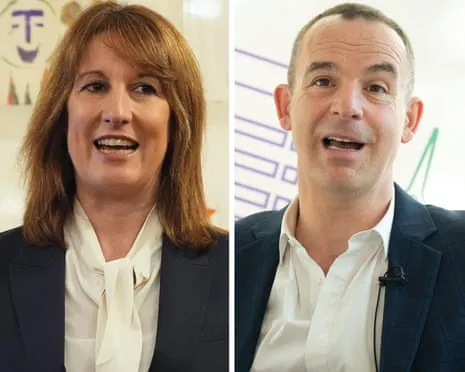
Policy Change Sparks Heated Exchange Over Graduate Debt
A decision to freeze student loan repayment thresholds has escalated into a public disagreement between consumer advocate Martin Lewis and Chancellor Rachel Reeves. The controversy centers on changes affecting approximately 5.8 million graduates who took out loans between 2012 and 2023.
What Changed in Student Loan Repayments?
The dispute follows last November’s budget decision to freeze the salary threshold for “Plan 2” loan repayments at £29,385 until 2030. This threshold determines when graduates begin repaying 9% of their income above this amount. Typically adjusted annually, the freeze means more graduates will repay larger amounts as wages rise.
Recent analysis indicates Plan 2 borrowers currently carry £213 billion in outstanding debt. The Institute for Fiscal Studies projects the freeze will cost affected graduates an additional £93 in 2027-28, rising to £259 by 2029-30. Lifetime repayments could increase by approximately £3,200 for recent students.
Divergent Perspectives on Fairness
Martin Lewis has strongly criticized the policy, arguing it breaches an implied contract with borrowers. “Changing repayment terms retroactively wouldn’t be permitted for commercial lenders,” Lewis stated in recent remarks. He’s urged affected graduates to contact their MPs, calling the threshold freeze “immoral” and a “breach of promise.”
Chancellor Reeves defended the measure as necessary for system sustainability: “It’s not right that non-graduates bear all costs. Those who earn more repay faster, while others have debts written off after 30 years.” Education officials echoed this position, emphasizing the need to balance taxpayer and student interests.
Broader Impacts and Public Opinion
The National Union of Students warns the freeze could exacerbate financial pressures on recent graduates facing high living costs. A recent survey found public opinion divided: 44% support partial or complete debt forgiveness, while 41% believe graduates should repay loans under current terms.
Experts note the student finance system functions similarly to a graduate tax, with most Plan 2 borrowers unlikely to fully repay their loans before the 30-year write-off period. Reports indicate over 2.6 million UK residents owe more than £50,000 in student debt, with approximately 150,000 exceeding £100,000.
Political Implications
The debate continues over whether graduates should shoulder nearly all higher education costs. Analysts suggest the policy’s reception among affected voters could influence future political dynamics, with some viewing it as a potential electoral vulnerability for the current government.