The Swedish government introduces a bill mandating migrants to uphold an ‘honest living’ standard, with deportation as the penalty for failure.
The centre-right Moderate Party, supported by the anti-immigration Sweden Democrats, assumed power in 2022 promising rigorous immigration controls. With legislative elections looming in September, authorities launch sweeping reforms across sectors, though recent polls rank them third.
Key Elements of the Proposal
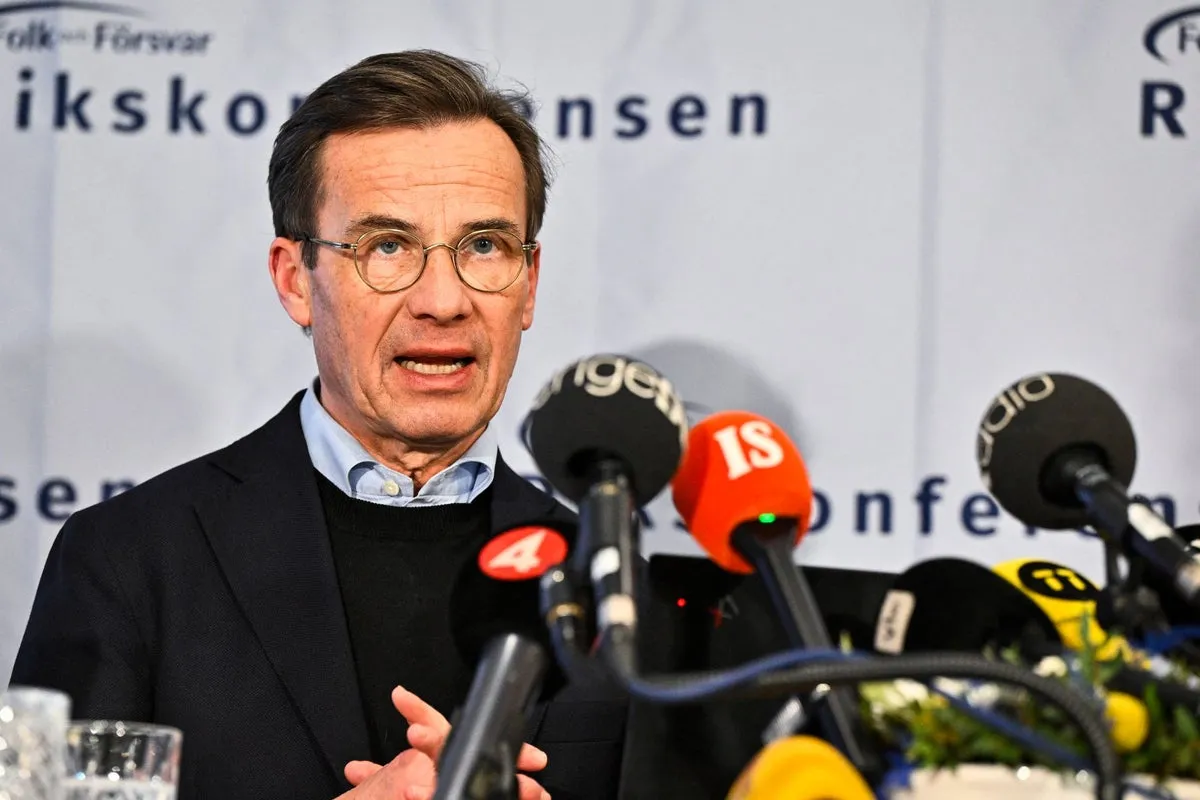
Migration Minister Johan Forssell explains, “Following laws and rules is a given, but it must also be a given that we do our best to live responsibly and not harm our country. If, for example, you ignore paying your debts, if you don’t comply with decisions from Swedish authorities, if you cheat the benefits system, if you cheat your way to a Swedish residence permit… then you do not have the right to be here.”
Authorities would also target migrants working without paying taxes or neglecting fines. Upon approval, the policy activates on July 13, empowering officials to revoke residence permits.
Sweden Democrats’ Perspective
Ludvig Aspling, migration policy spokesman for the Sweden Democrats, clarifies, “Statements – that is, things a person says or expresses – should not in themselves be regarded as evidence of lack of honest living, but they may be an indication of, for example, links to violent extremism, which can then be a sign of deficient character.”
Criticism from Rights Groups
Civil Rights Defenders raises alarms, arguing the measure threatens democratic foundations such as legal equality and freedom of expression. Legal director John Stauffer warns, “The fact that non-criminalised statements may also be taken into account, even if they cannot constitute an ground for a lack of honest living, raises particularly serious concerns. Such an arrangement may have a chilling effect on freedom of expression and lead to increased self-censorship. In practice, this creates different rules depending on who you are, which runs counter to fundamental principles of equality before the law.”
Trends Across Europe
Comparable restrictions emerge continent-wide. UK Home Secretary Shabana Mahmood recently outlines temporary, renewable 30-month refugee status for asylum seekers, while extending permanent residency timelines from five to 10 years for most migrants and up to 20 years for refugees.
Denmark’s centre-left Social Democrats government vows in January to deport non-citizens imprisoned for one year or longer on serious charges. Mahmood conducted a fact-finding trip to Denmark in February, where the ruling party repelled a right-wing populist surge through stricter immigration rules.
Recent Migration Data
The Swedish Migration Agency records 79,684 residence permits issued in 2025, with asylum-related approvals comprising just 6 percent—down sharply from 18 percent in 2018, when totals reached 133,025.