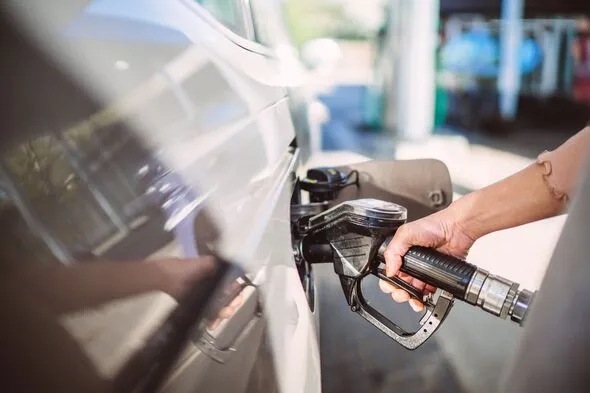
Middle East tensions disrupt global fuel markets, with Iran halting cargo traffic through the Strait of Hormuz—a vital route for one-fifth of the world’s oil shipments from the Persian Gulf to the Indian Ocean. UK motorists face surging petrol and diesel prices following the conflict that erupted late February.
Recent RAC Fuel Watch data reveals petrol prices climbing 5p to 137.5p per litre and diesel rising 9p to 151p since initial US and Israeli strikes on Iran. Experts forecast continued increases, urging drivers to boost fuel efficiency now.
Price Predictions Signal Tough Times Ahead
Simon Williams, RAC head of policy, warns: “Unleaded is almost certainly going to reach an average of 140p in the next week or so while diesel looks highly likely to climb to at least 160p a litre.”
He adds: “The price of diesel is increasing more quickly now than at any point since the start of the Ukraine conflict. With oil at a sustained $100, petrol could rise towards 150p a litre—a price not seen since June 2024. Diesel could reach almost 180p, which would be a three-year high.”
While global factors drive these hikes, drivers can adopt simple habits to minimize costs.
7 Practical Tips to Improve Fuel Economy
1. Compare Petrol Prices
Kara Gammell, personal finance expert at MoneySuperMarket, recommends using price comparison tools to locate cheaper stations. “Avoid the most expensive forecourts and motorway services,” she advises, but cautions that extra driving to save may offset gains.
Apps like the RAC myRAC provide real-time prices, while MoneySuperMarket’s budget calculator helps track essential spending, including fuel.
2. Drive Smoothly
Avoid aggressive acceleration, heavy braking, and high revs, which guzzle fuel. Gammell notes: “Driving more smoothly and easing off the accelerator can noticeably improve fuel efficiency over time.”
Williams emphasizes: “Excessive speed is by far and away the biggest factor reducing your car’s fuel economy.”
3. Maintain Your Vehicle
Underinflated tyres increase drag and consumption—check pressures regularly. Remove excess weight from boots and backseats; every 25kg cuts efficiency by about 1%. Ditch unused roof racks too.
Gammell suggests keeping the car clean and clutter-free for optimal performance.
4. Use Cruise Control and Plan Trips
Chris Jevons, vehicle repair specialist at JTAPE, highlights cruise control’s benefits: “It helps prevent small speed fluctuations that gradually increase fuel consumption over longer distances.”
Combine with fewer short trips—cold engine starts burn more fuel. Williams explains that warm engines run most efficiently.
5. Fuel Up Strategically
Avoid peak refill times when sediment stirs in tanks, advises Jevons. Opt for quieter periods for cleaner fuel. Keep tanks above a quarter full to ease pump strain and prevent debris intake.
6. Limit Air Conditioning
As temperatures rise, resist blasting AC, which saps engine power—especially in traffic. Jevons recommends ventilation at low speeds and recirculation mode once cool. Gammell echoes: “Switch the AC off once the car is cool.”
7. Skip Idle Warm-Ups
Modern engines warm efficiently while driving gently—no need to idle. Jevons states: “Allowing the engine to idle for several minutes before driving simply burns fuel without moving the vehicle.”
These steps deliver real savings amid volatile prices, helping UK drivers stretch every litre.