Britain confronts renewed cost-of-living pressures as government borrowing costs climb to their highest levels since the 2008 financial crash. Markets confirm that 10-year gilt yields surged to 5% on Friday, fueling concerns over rising inflation and potential interest rate hikes.1920
Borrowing Costs Lead G7 Even Before Conflict
The UK already recorded the highest government borrowing costs among developed G7 nations prior to recent Middle East tensions. Public sector borrowing reached £14.3 billion in February, exceeding forecasts and highlighting ongoing fiscal strains.2327
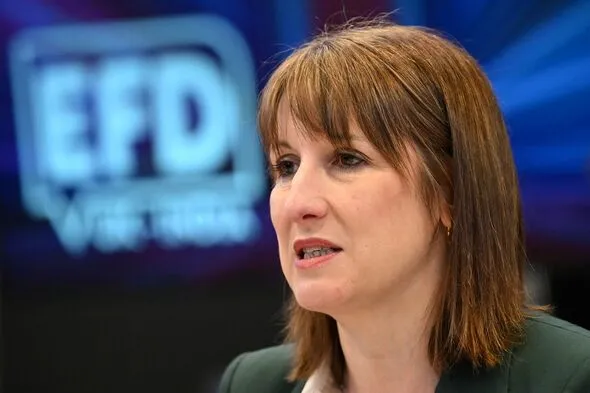
Rachel Reeves Navigates Policy Challenges
Chancellor Rachel Reeves faces scrutiny over recent adjustments, including changes to Winter Fuel Payments, reduced Cash ISA limits, frozen Personal Allowances, and higher inheritance tax thresholds for farmers. She inherited an economy recovering from Covid-19, Brexit, the Ukraine conflict, austerity measures, and the 2008 downturn.
Reeves maintains strict fiscal rules, ensuring day-to-day spending aligns with tax revenues and public debt declines as a share of GDP by the decade’s end. Bond markets have supported these measures, as evidenced by sell-offs during speculation of leadership changes.
Global Disruptions Limit Domestic Control
US military operations in Iran, including actions affecting the Strait of Hormuz, combined with President Trump’s tariffs, exacerbate global inflation and supply chain issues. These factors spike energy prices and hinder the UK’s ability to meet economic targets.06
Failure to achieve targets could delay fuel duty reductions, prolong Personal Allowance freezes, limit cost-of-living support, and necessitate further tax adjustments on savings, inheritance, and income. Ultimately, higher costs at fuel pumps, grocery stores, and in wages fall on British households.