From Icy Silence to Full Embrace
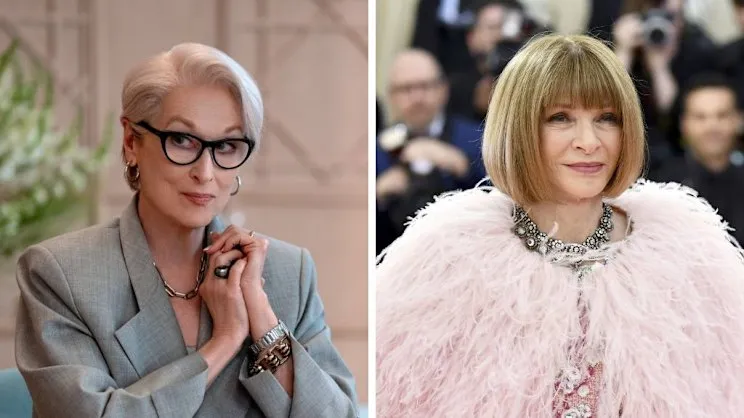
Anna Wintour, the longtime Vogue figurehead who inspired Meryl Streep’s iconic Miranda Priestly in The Devil Wears Prada, initially met the story with frosty detachment. During a West End production of the adaptation, Wintour dismissed comparisons, stating it was “for the audience and for the people I work with to decide if there are any similarities between me and Miranda Priestly.”
The 2003 novel by Lauren Weisberger, which spawned the 2006 film, drew even sharper rebukes. Leslie Fremar, the real-life inspiration for Emily Blunt’s character Emily, recalls a tense summons from Wintour’s office post-release. “I got a call from Anna’s office saying she wanted to see me,” Fremar shared. “I was petrified. [Wintour] said, ‘Who’s Lauren Weisberger?’ And I said, ‘She was your junior assistant.’ And she’s like, ‘Well, she wrote a book about us, and you’re worse than me.’” Wintour publicly wavered on reading the book, while Vogue’s parent company remained silent, signaling clear distance.
A Dramatic Turn for the Sequel
Two decades later, attitudes have flipped. The sequel to the hit 2006 film arrives in theaters this week, and Vogue dives into the promotion. Wintour graces the April cover alongside Streep—both in Prada—an extraordinary break from her no-cover rule. The magazine also unveils a playful short film where Streep quips, “Don’t I know you from somewhere?” while eyeing Wintour.
Vogue selects Weisberger’s original novel as a May book club pick, hosts an exclusive sequel screening for former Wintour assistants, features Fremar on its podcast, and publishes an op-ed from Weisberger reflecting on life post-book.
Timing and Motivations
Wintour now serves as Condé Nast’s global chief content officer, having stepped down as editor-in-chief last year. The sequel, announced in 2024 under new editor-in-chief Chloe Malle, aligns with Vogue’s strategy to sync issues with cultural moments. The original film grossed over $457 million worldwide, fueling lasting fandom—from Miranda quotes to cerulean sweater trends.
Reviews praise the sequel, with critics noting emotional impact. Yet, the pivot raises questions: Does Vogue arrive unfashionably late, chasing relevance amid social media’s dominance in beauty standards? Some view the support as calculated, potentially softening the sequel’s satirical edge into promotion.
Still, anticipation builds for box office success. As Miranda declares in the original, “Everybody wants this. Everybody wants to be us.”