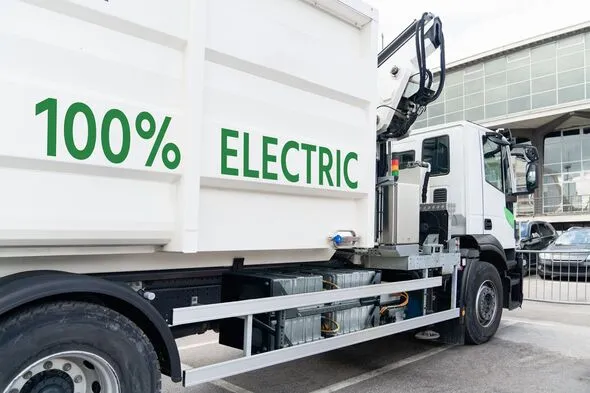
Local authorities in Wales have allocated nearly £12 million over five years for electric bin lorries and charging infrastructure, prompting warnings against diverting taxpayer funds to what some call the latest green trend.
Spending Breakdown
Cardiff City Council invested over £5 million in 12 electric trucks and more than £740,000 in charging technology. Denbighshire County Council spent upwards of £1 million on two electric trucks and the necessary charging setup.
Across Wales’s 22 councils, seven provided no data, while eight reported zero electric bin lorries. Since 2021, spending on these vehicles, charging infrastructure, warranties, and maintenance totals at least £11,936,435.
Calls for Fiscal Caution
The TaxPayers’ Alliance advocates for increased transparency in net zero initiatives, pressing councils to prioritize dependable core services and cost-effective choices over expensive symbolic investments.
Jonathan Eida of the TaxPayers’ Alliance stated: “Welsh taxpayers will rightly ask why millions are being spent on electric bin lorries and charging stations. As families across Wales grapple with rising tax bills, councils are diverting precious resources away from frontline services and into costly eco-vanity projects. Local authorities need to focus on providing efficient and reliable services that reflect local priorities, not splashing cash on the latest green fad.”
Council Responses
A Cardiff Council spokesperson emphasized that recent budgets include no reductions to frontline services. “These vehicles are part of the council’s wider vehicle acquisition and waste collection strategy, supporting reliable day-to-day collection services while reducing long-term operating costs and exposure to volatile fuel prices,” the spokesperson said.
The spokesperson added that shifting council fleets from diesel represents a smart financial move, as it “helps protect public services from unpredictable fuel costs and strengthens the council’s ability to plan and deliver services affordably over the long term.”
Denbighshire County Council declared a climate and nature emergency in 2019 and has since integrated zero-emission vehicles into its fleet. A spokesperson noted that more than 20% of the fleet now consists of such vehicles.
The Welsh Local Government Association explained that councils must replace vehicles to maintain daily services. Electric models carry higher upfront costs but prove cheaper to operate and maintain, with longer lifespans than diesel options. Amid fluctuating fuel prices, electric fleets provide superior long-term cost predictability.