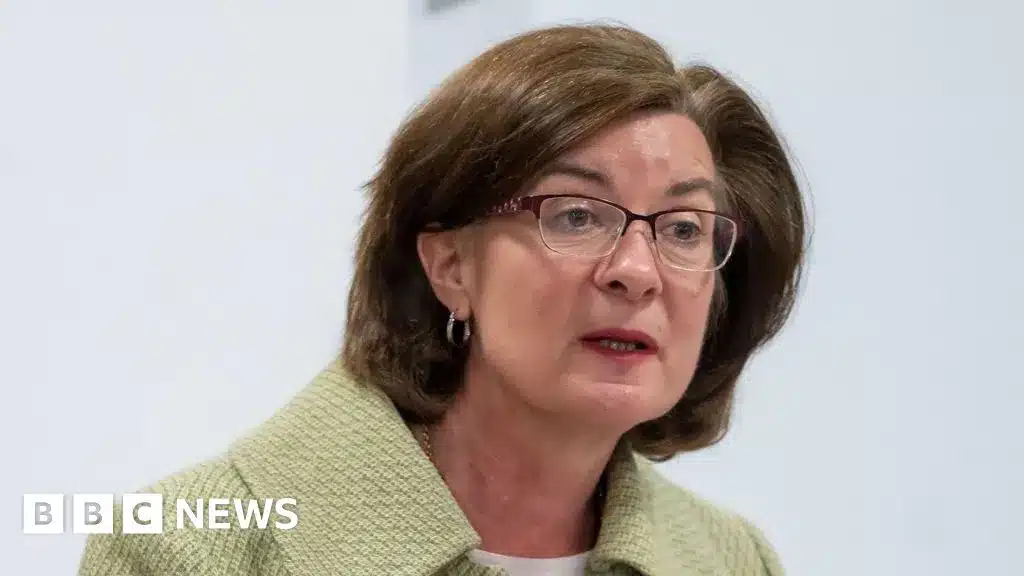
Wales’ First Minister Eluned Morgan emphasizes the need to safeguard all communities against rising tensions linked to the escalating Middle East conflict. Leaders must act to prevent local divisions, she warns, while highlighting economic ripple effects from disrupted oil trade.
Recent Escalations in the Region
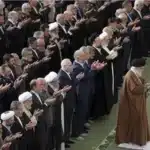
Iran’s Supreme Leader Ayatollah Ali Khamenei died in US-Israeli strikes, prompting Iranian retaliation against Israel, Bahrain, Kuwait, Qatar, the United Arab Emirates, and Jordan. Missile strikes damaged airports in Dubai and Abu Dhabi, injuring multiple people and leading to widespread flight cancellations.
The UK Foreign Office advises British citizens to avoid all but essential travel to Bahrain, Kuwait, Qatar, and the UAE. Those in the region should seek shelter immediately.
Community Cohesion in Wales
Morgan expresses deep concern over community cohesion, noting strong ties between Wales and the Middle East, including residents currently visiting the area. “I want to make sure that there is protection for all our communities, and we will all have a role in making sure that we don’t see those kind of tensions arise within our communities,” she states.
She describes Iran’s regime as repressive over decades and stresses it should never develop nuclear weapons. However, de-escalation remains the priority. “We need to protect civilian life, and we’ve got to be clear that instability in the Middle East will have an impact here in Wales,” Morgan adds. “Upholding international law should remain a red line for us.”
Economic Impacts from Oil Disruptions
Disruptions in regional oil trading threaten economic fallout. The Strait of Hormuz, the world’s busiest oil shipping channel, sees near-total halt in international shipping, driving up global oil prices. Morgan warns that closing the straits would trigger knock-on effects for oil trade and prices worldwide.