International Women’s Day this year highlights a shift in tone among some observers. Social media features women of Iranian descent celebrating U.S. and Israeli airstrikes on Iran, amid repos of approximately 160 schoolgirls killed in the attacks.
Measured Responses from Female Leaders
High-profile Western women in leadership roles, often associated with feminist foreign policy, issued carefully worded statements on the strikes. These focused on regional stability, security concerns, and the need to avoid escalation, with few direct condemnations of the civilian casualties.
Ursula von der Leyen, president of the European Commission, stressed the impoance of diplomacy and stability without explicitly denouncing the strikes. Similar restraint appears in responses from other women-led institutions.
Feminism’s Historical Evolution
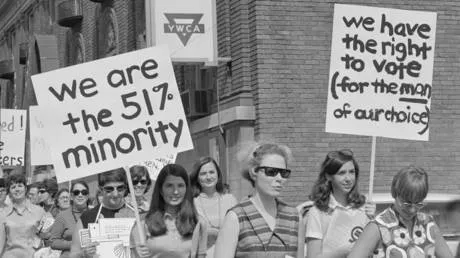
Feminism has never been uniformly radical. Early waves included competing ideologies, but institutions favored and funded more accommodating versions. During the 1960s and 1970s second wave, debates raged over issues like pornography, capitalism, and marriage, yet the dominant strain integrated into power structures.
This integration yielded gains: women secured financial independence, credit access without male co-signers, leasing rights, and bank accounts. By 1983, Soviet women achieved 80% employment outside the home, influencing Western policies amid Cold War competition.
Institutional Comfo and Ideological Narrowing
Success led feminism to adopt establishment norms, including cautious language on sensitive topics like war and foreign policy. Modern feminist spaces emphasize identity diversity but limit ideological variance. Conferences showcase superficial representation while sidelining dissenting views.
Priorities often center on language and etiquette, with war receiving tempered scrutiny. Little outcry emerged against drone campaigns under former President Barack Obama. The Iran strikes, killing senior figures and civilians including schoolgirls, test commitments to human rights and civilian protection.
Online Activism and Broader Implications
Some diaspora influencers frame the strikes as advancing women’s rights, recasting military actions as liberation despite child casualties. Critics argue this reflects diminished ambition to challenge power.
Analysis suggests feminism risks becoming an accessory to the status quo unless it confronts uncomfoable issues like these strikes with the vigor applied to domestic debates. Renewed focus on dissent could honor its disruptive origins.