New Fossil Evidence Reveals Cretaceous Dinosaur Activity
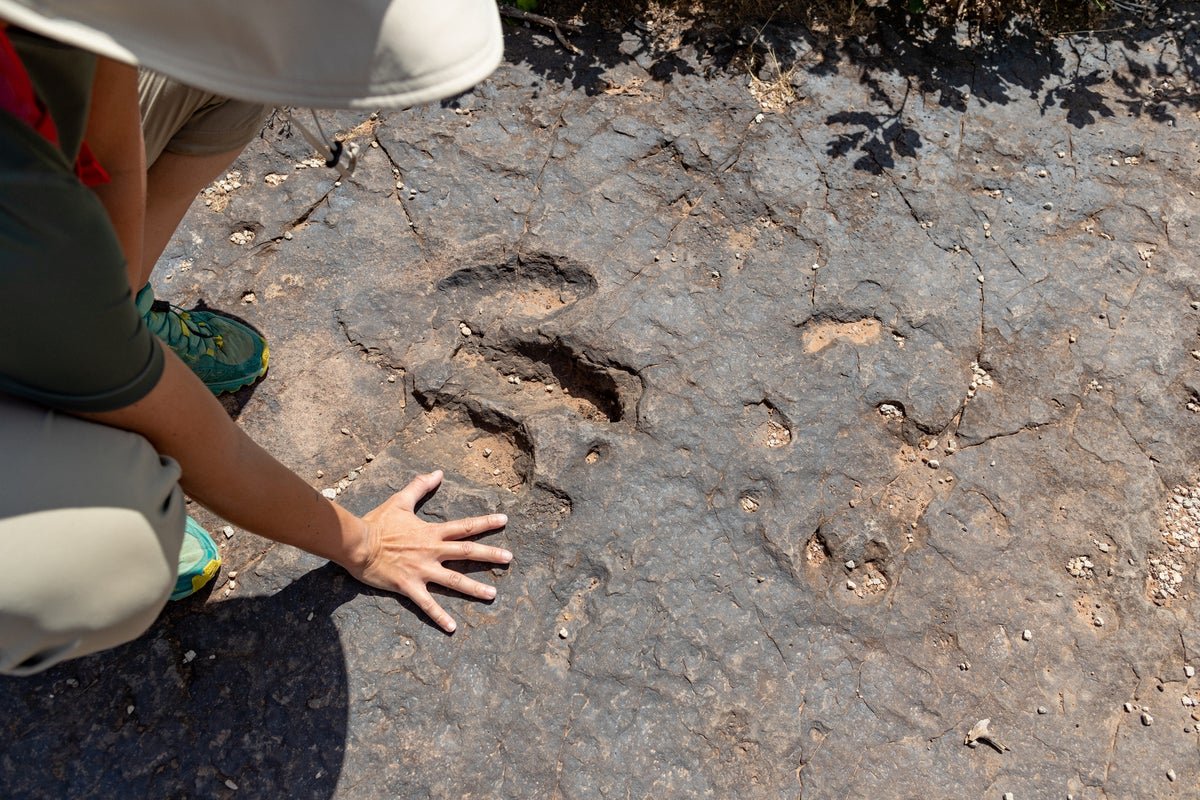
Paleontologists have uncovered 132-million-year-old dinosaur tracks along South Africa’s Western Cape coastline – the youngest fossilized footprints ever recorded in southern Africa. The discovery fills a critical gap in the region’s fossil record following massive volcanic eruptions that previously obscured evidence of Jurassic-era dinosaurs.
Discovery Details
Researchers specializing in fossil tracks identified more than two dozen footprints during a coastal survey near Knysna. The tracks were found in ancient sand dune formations within the Brenton Formation, a geological layer dating to the Early Cretaceous Period.
“We were astonished to find such concentrated evidence of dinosaur activity in this small coastal area,” stated Linda Helm, the scientist who first spotted the tracks. The discovery marks only the second recorded instance of Cretaceous-period dinosaur tracks in South Africa.
Geological Significance
The 132-million-year-old tracks predate previously discovered regional footprints by approximately 50 million years. This finding suggests dinosaurs thrived in the area long after volcanic activity known as the Drakensberg lava flows had reshaped much of southern Africa’s landscape 182 million years ago.
Analysis indicates the footprints belong to three dinosaur groups: meat-eating theropods, plant-eating ornithopods, and long-necked sauropods. The variety of tracks implies diverse dinosaur populations inhabited ancient river beaches and tidal channels that once characterized this coastal region.
Future Research Potential
The discovery team emphasized that systematic exploration of similar geological formations could yield additional fossil evidence. Numerous Cretaceous-period rock exposures in the Western and Eastern Cape provinces remain largely unexamined.
This breakthrough follows the 2025 identification of 140-million-year-old tracks along the same coastline, suggesting southern Africa may hold more Cretaceous dinosaur evidence than previously believed. Researchers now aim to expand their search for vertebrate traces in these ancient rock layers.