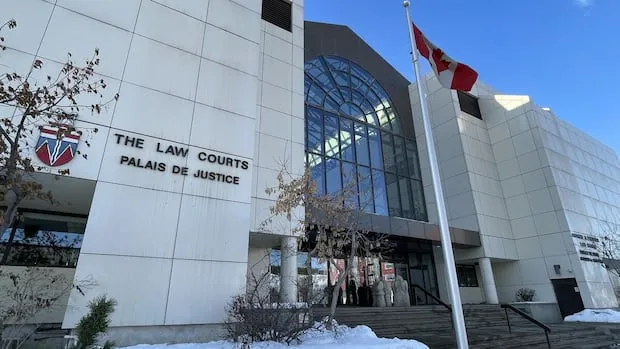
The Yukon government has filed an appeal with the territory’s Supreme Court to overturn a Human Rights Board of Adjudication decision that ruled its policies discriminated against a Whitehorse woman by blocking her access to midwifery services.
In January, the board ordered the government to pay the woman more than $36,000 in general damages—the largest award of its kind in Yukon history. The government argues the board “erred in law” by deeming its actions discriminatory.
Appeal Details
The appeal, submitted on February 11, seeks to set aside the board’s decision, dismiss the complaint, and award court costs against the Human Rights Commission.
Case Background
The dispute stems from 2021, when the Yukon government enacted new midwifery regulations without establishing a supporting program. These rules barred midwives from practicing until licensed and registered, but offered no clear registration process. This gap left pregnant women, including Marsha Cooke, without midwifery care options.
Cooke filed a complaint alleging sex-based discrimination, as the policies created a service shortfall for expectant individuals. The government countered that the issue stemmed from midwifery access, not a protected characteristic like sex or pregnancy.
Tribunal’s Findings
Drawing on legal precedent, the board determined that neutral policies with disproportionate impacts on protected groups constitute discrimination. It ruled Cooke faced discrimination, stating the lack of access “deprived her of her inherent dignity and worth” and left the government “creating her choices for her.”
While declining a formal systemic discrimination finding, the board critiqued the Yukon Human Rights Act’s vague definition, which simply equates any resulting discrimination as systemic.
Human Rights Commission’s Stance
The decision underscores how inadequate statutory definitions hinder addressing structural discrimination affecting entire groups, according to a commission summary.
Karen Moir, director of the Yukon Human Rights Commission, emphasized that human rights law aims to remedy, not punish. She noted efforts to settle since 2021 and stated, “Litigation is costly and the commission is of the view that further proceedings are not in the public interest.” The commission plans to respond in line with its mandate to eliminate discrimination.
Marsha Cooke and Yukon government representatives declined to comment.