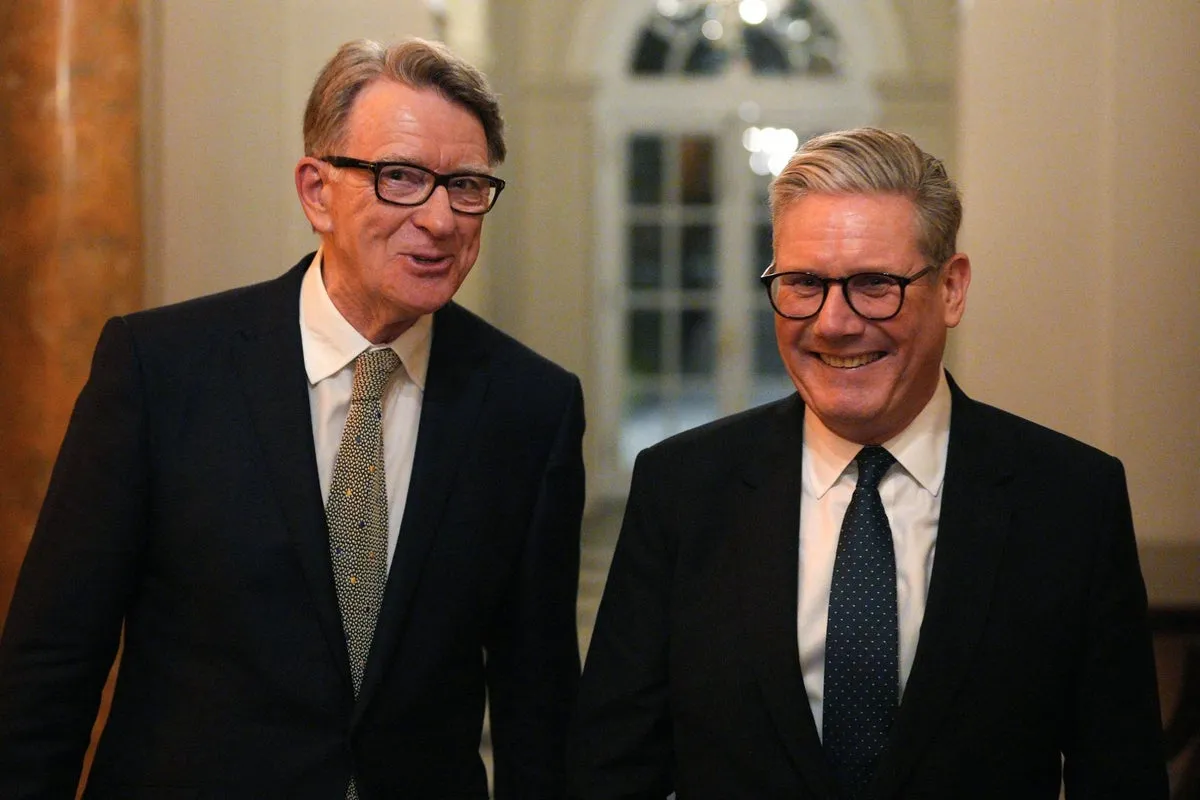
Keir Starmer faces renewed scrutiny after the senior civil servant dismissed over the Mandelson controversy testified that the Foreign Office endured relentless pressure to approve Peter Mandelson’s nomination as US ambassador, irrespective of security vetting results.
In a two-hour session before MPs, Sir Olly Robbins revealed that No 10 sought to secure a diplomatic position for a longtime Labour advisor and Starmer ally, who later received a peerage but faced party suspension due to connections with a convicted paedophile. Sir Olly stated that No 10 dismissed vetting concerns and pushed to place Lord Mandelson in Washington “as soon as humanly possible.”
Sir Olly further disclosed that the Cabinet Office viewed vetting as unnecessary, citing Mandelson’s existing prominent roles, including his peerage. He argued that the Prime Minister should have halted the appointment upon initial due diligence, which identified a significant reputational risk.
Background on Mandelson’s Dismissal
Lord Mandelson lost the US ambassador position last year amid ties to Jeffrey Epstein. He now confronts a police investigation alleging he shared sensitive government documents with the financier during his tenure as business secretary under Gordon Brown.
Sir Keir responded to Sir Olly’s testimony by informing his cabinet of the civil servant’s “error of judgment,” while affirming his “integrity and professionalism.” No 10 refuted accusations of a dismissive stance on vetting and denied that former chief of staff Morgan McSweeney pressured Foreign Office officials to approve clearance.
Cabinet Concerns and Internal Pressures
Foreign Secretary Yvette Cooper expressed deep concern over instructions not to inform her predecessor, David Lammy, about efforts to place Matthew Doyle in a diplomatic role, deeming him unsuitable. Cabinet minister Ed Miliband noted that he and Deputy Prime Minister Lammy worried the Mandelson appointment could “blow up.”
Sir Olly described ongoing pursuits from the Prime Minister’s private office, fostering an “atmosphere of pressure” among officials. He confirmed the standard vetting proceeded only after the Foreign Office insisted, overriding Cabinet Office objections.
Additional Revelations
- Withdrawing Mandelson’s nomination post-announcement risked complications with the incoming Trump administration.
- Sir Olly received no final vetting outcome, only a briefing that the case was “borderline,” with manageable risks.
- Reports emerged of Sir Keir’s former chief of staff urging a predecessor: “Just f***ing approve it.”
The Prime Minister dismissed Sir Olly last week for failing to disclose Mandelson’s vetting failure. Sir Olly countered that he never viewed the form, receiving instead a summary that UKSV deemed it borderline and inclined toward denial, unrelated to Epstein links. He emphasized vetting confidentiality safeguards national security and expressed profound sadness over his dismissal.
Upon assuming his Foreign Office role on January 20—while vetting continued—Mandelson had secured King Charles’s approval, US consent, building access, and selective highly classified briefings.
Opposition leader Kemi Badenoch accused the Prime Minister of misleading Parliament, stating: “The evidence from Olly Robbins is devastating to Keir Starmer. It is clear that No 10 not only made the appointment before vetting was completed, but that Mandelson was already acting as the ambassador before the vetting—even seeing highly classified documents. With this, and the ‘constant pressure’ No 10 applied to the appointment and their ‘dismissive attitude’ to vetting Mandelson, it is now absolutely clear that full due process was not followed. Keir Starmer has misled the House.”
Matthew Doyle denied pursuing any ambassadorial position, stating he was unaware of Foreign Office discussions regarding such a role.