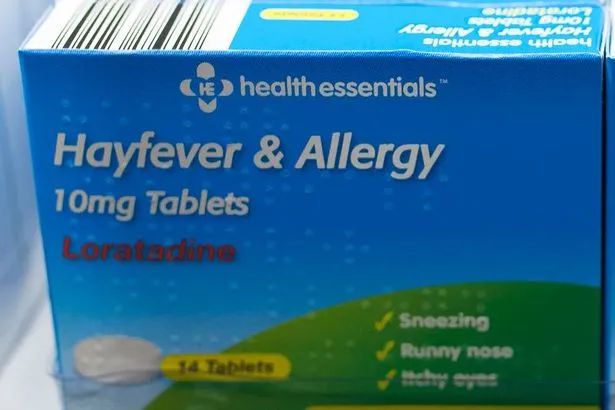
Millions battle hay fever each year, and simple strategies can ease symptoms effectively. However, incorrect medication timing often worsens discomfort. Experts emphasize that starting treatment before symptoms peak delivers optimal results.
Timing Matters for Antihistamine Effectiveness
Antihistamines perform best when taken preventatively rather than reactively, according to pharmacist Seema Khatri at Roseway Labs. “Many people assume one pill gives instant relief, but the reality is, timing and technique really matter,” she states.
Taking medication only after sneezing begins allows histamine levels to rise unchecked. A consistent daily routine during allergy season maintains steady protection.
Optimal Dosing Schedules
For daytime activities, a morning dose allows non-drowsy options like loratadine or cetirizine to activate before pollen counts peak in late morning or midday. These medications typically begin working within 30 to 60 minutes and provide 24-hour coverage.
Nighttime issues such as itchy eyes or congestion from indoor allergens or open windows benefit from a bedtime dose. Slightly sedating types like chlorphenamine help prevent sleep disruptions.
Improper timing leads to uncontrolled symptoms and heightened discomfort throughout the day.
Additional Dosage Tips
Food delays absorption, so consume antihistamines with water at least one hour before or two hours after meals for quicker relief, unless specified otherwise on the packaging.
Managing Reactions and Root Causes
Allergic reactions like bloating, rashes, or itching sometimes stem from inactive ingredients such as fillers, binders, or dyes rather than the active drug. “Sometimes people assume they’re reacting to the medicine, when they’re actually reacting to additives,” Khatri explains. “A compounding pharmacy can create antihistamines without lactose, dyes or other triggers.”
Worsening symptoms may indicate an overactive immune system influenced by stress, poor sleep, gut problems, or inflammation. Watch for signs like fatigue, brain fog, skin issues, or food sensitivities.
Maintain a symptom diary tracking sleep, diet, stress, and patterns to identify triggers beyond pollen. Consider functional tests for gut health, nutrients, or hormones after consulting a pharmacist or GP.
“The immune system is complex, and if it’s overreactive, antihistamines can only do so much. Understanding why your body is reacting more than usual is the key,” Khatri adds. “You don’t have to just put up with seasonal symptoms. When we look beyond the surface, we often find answers that make a real difference.”
For persistent hay fever or health concerns, consult a GP for personalized medical advice.