

The State Theatre Company South Australia launches a sensory-friendly performance to welcome neurodivergent individuals and others with sensory sensitivities, making theatre more accessible and inclusive.
Empowering Neurodivergent Audiences
Poet and artist Michele Saint-Yves, a disability advocate who sustained a brain injury nearly 25 years ago, describes her first theatre experience at age four as transformative. “It changed my whole sense of what is possible in the world … how all my messiness and exuberance and wildness as a wee tomboy, how there was permission to be that,” she says. “Theatre gave me that sense of there’s a place for someone like me.”
Saint-Yves, who manages vertigo, neurological conditions, and sensory overload, requires ground-level seats, lifts, and the freedom to move or exit during shows. She notes that traditional theatre etiquette often excludes people with disabilities, leaving many feeling disengaged.
Relaxed Performances for The Importance of Being Earnest
For this season’s production of The Importance of Being Earnest, the company introduces relaxed sessions with adjusted lighting and sound levels. Audience members can exit if overwhelmed, use sensory aids, or vocalize freely.
Executive director Kath Fyffe emphasizes inclusivity: “People can just generally feel that if they are vocalising or making a little bit of noise, that’s completely fine and particularly, I guess, encouraged and welcomed in this particular performance.” She aims to serve all South Australians, including those with neurodivergence, sensory issues, or learning disabilities.
Saint-Yves praises the initiative: “What that does is empowers and makes us comfortable and safer to come and engage with theatre.” She highlights how it dismantles barriers posed by strict etiquette, allowing diverse audiences to participate without judgment.
Backstage Tactile Tours Enhance Accessibility
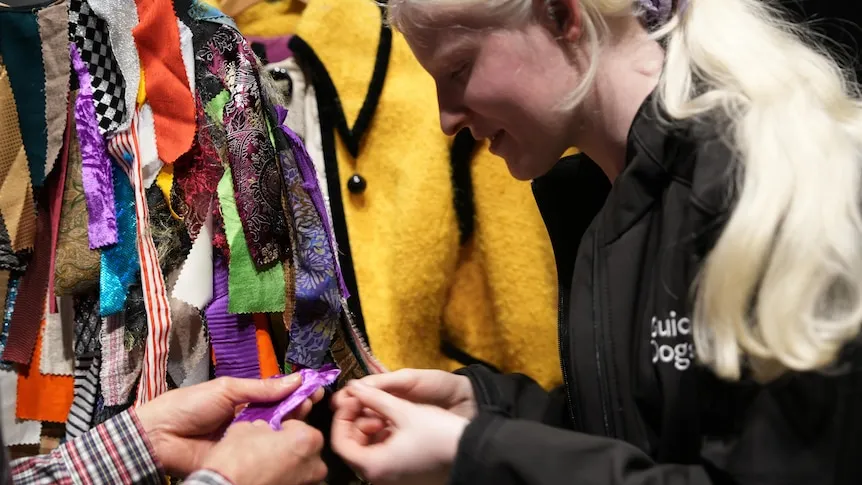
The company’s access programs extend to pre-show tactile tours for blind or vision-impaired patrons at the Dunstan Playhouse. Participants touch costumes, meet actors, and explore sets.
Simon Wong, blind since age seven, calls these tours a “big highlight.” “The tactile tools are extremely helpful for people like myself, because we don’t actually get the visuals of it,” he explains. “To actually know what the costumes, what they’re wearing, some of the props that they’ll be using, some of the voices they’ll be using as well, and just having that context helps us to make sense of what’s to come during the show.”
Alana Tiller, who has 2 percent vision since birth, adds that tours bridge visual gaps: “Theatre brings people together, but when you miss part of that visual aspect or all of the visual aspects, you lose part of that whole experience.” She values details like tassels and button shapes conveyed through touch.
Fyffe notes strong demand, with one in five Australians living with a disability. “That’s a huge portion of our community that we need to be looking for and that I hope will be drawn to come into the theatre in greater numbers if we can provide services that meet those needs,” she states. Future sensory-friendly shows are planned to meet this growing interest.









