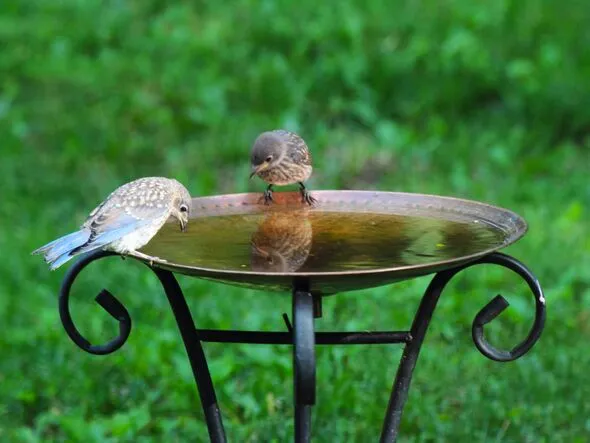
Birdbaths offer vital hydration for local wildlife as spring temperatures rise, but sunny weather promotes rapid algae growth, turning clean water into a slimy hazard. Warmth accelerates algae proliferation, fostering bacteria and parasites that endanger birds.
Why Remove Algae Promptly
Algae creates unsafe conditions for drinking, so regular cleaning prevents health risks to feathered visitors. Harsh chemicals like bleach break down algae fast but pose severe threats—even trace amounts can poison birds or strip protective feather oils, impairing flight.
Popular social media tips, such as adding pennies, fail to control algae and release harmful zinc into the water.
White Vinegar: Top Natural Cleaner
White vinegar stands out as the ideal natural solution. Its mild acidity dissolves algae effectively without toxicity. James Theodore from Water Fountain Online notes, “White vinegar is the best natural cleaner you can use. Unlike bleach, which is highly toxic if not rinsed perfectly, vinegar is a natural acid that is tough on algae but safe for wildlife.”
This method requires minimal effort, delivering a pristine birdbath in 10 to 15 minutes using no harsh substances. Birds tolerate residual traces safely, preserving feather health.
Step-by-Step Vinegar Cleaning Guide
Mix nine parts water with one part white vinegar in a bucket. For heavily soiled birdbaths neglected over winter, use equal parts.
- Drain dirty water onto the ground.
- Pour vinegar solution into the birdbath. Hose stubborn algae first if needed.
- Let sit for 10 to 15 minutes to break down growth.
- Scrub with a sponge or brush—algae lifts easily.
- Allow full sun drying; UV rays kill lingering bacteria, as James Theodore explains: “UV sunlight is a powerful natural sanitiser that kills remaining bacteria.”
- Refill with fresh water.
Clean weekly or biweekly to maintain a safe haven and prevent recurrence.