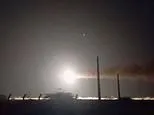
The United Arab Emirates faces fresh drone and missile assaults from Iran, escalating strains on the shaky US-Iran ceasefire. Explosions echoed across Dubai overnight as air defense systems sprang into action. Officials report no immediate damage from the Tehran-launched strikes, though the UAE Defense Ministry urges residents to avoid any debris from intercepted threats.
UAE Air Defenses in Action
In a statement on X, the UAE Defense Ministry confirms that air defenses neutralize incoming ballistic missiles, cruise missiles, and drones originating from Iran. “The sounds heard in various parts of the country result from the UAE air defense systems intercepting these threats,” the ministry states. Such attacks on the UAE and other Gulf states hosting US bases have persisted since the conflict erupted on February 28.
Oil Prices Climb Amid Uncertainty
Oil markets react sharply, with Brent crude jumping 4.1% to approximately $100 per barrel from $96 the previous day. Despite the rise, prices remain down 7% from $108 a week earlier, buoyed by optimism over potential US-Iran negotiations to end the war and reopen the Strait of Hormuz—a key route Tehran has largely sealed to disrupt global trade. Questions linger over progress on Iran’s nuclear program, a core issue since the US and Israel initiated strikes on February 28.
US-Iran Clashes in Strait of Hormuz
US Central Command reports American forces intercept unprovoked Iranian attacks on three Navy ships in the Strait of Hormuz, responding with defensive strikes on Iranian military sites. No US vessels sustain damage, and forces emphasize readiness to protect assets without seeking further escalation.
Iranian state media describes exchanges of fire with enemy forces on Qeshm Island and defensive actions in western Tehran.
Trump Insists Ceasefire Holds
President Donald Trump minimizes recent naval skirmishes, labeling US retaliatory actions a “just a love tap.” He asserts the ceasefire, in place since April 8, remains intact and predicts a deal “any day” to resume oil and gas shipments. Trump warns of severe consequences if Iran rejects terms: “If it doesn’t get signed, they’re going to have a lot of pain.”
Pakistan Mediates for Peace
Pakistan continues diplomatic efforts, with Foreign Minister Ishaq Dar holding talks with Iranian counterpart Abbas Araghchi. Foreign Ministry spokesperson Tahir Andrabi expresses hope: “We expect an agreement sooner rather than later.” Prime Minister Shehbaz Sharif adds that Islamabad maintains round-the-clock contact with both the US and Iran to extend the ceasefire and halt hostilities. Last month’s in-person talks in Pakistan failed to resolve the two-month-old conflict.