High Manganese Levels Missed in Daycare Water Tests
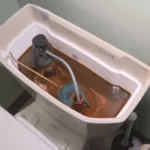
Dana Whitenect tested her well water at the provincial laboratory in Fredericton and received a report highlighting manganese causing brown staining in her tanks. However, no alert appeared about health risks to children at her Saint John daycare. “They assured me it was just aesthetics, it was fine,” Whitenect said.
Federal standards from Health Canada in 2019 set a limit of 0.12 mg/L for manganese to safeguard children’s brain development and formula-fed infants. Whitenect’s water measured nearly eight times that threshold at 0.935 mg/L.
New Brunswick aligned its drinking water guidelines with Health Canada’s standards last week. Environment Minister Gilles LePage could not account for the previous delay, noting he assumed the role after the 2024 election.
Neighbor Faces Similar Oversight
Crystal Winters, Whitenect’s neighbor, questioned why her elevated manganese levels escaped health risk flags from the Research and Productivity Council lab, a provincial Crown corporation. She installed a treatment system, transforming cloudy untreated water into clear, safe samples.
Health Canada’s guidelines remain advisory for provinces. Until recently, the council’s reports for direct submissions flagged exceedances of national standards with red cautions, but processing through other channels often omitted warnings.
Testing Inconsistencies Exposed
Recent analysis of a high-manganese residential well sample split between direct submission to the Fredericton lab ($213 fee, health warning issued) and routing through Service New Brunswick ($209 fee, no warning) revealed stark differences—despite both reaching the same lab.
LePage confirmed the issue is resolved. “Now we even will only have one regulatory system, so it won’t be different from the national one to the provincial one,” he said. “So now the reports that come out, whether it’s a private well or an operator well from a municipality, the reports will be the same.”
Widespread Manganese Challenges
About 40% of New Brunswickers rely on private wells, with up to 30% of the estimated 120,000 wells potentially showing elevated manganese based on historical data.
Senior environmental scientist Matthew Alexander, specializing in hydrogeology, explains manganese leaches from local soils, with levels fluctuating seasonally and over years. “Maybe when they bought their house or had their well drilled, they had low concentrations,” he said. “But over time, those concentrations can build up.” Regular testing is essential.
In Sussex, one municipal well’s manganese surged tenfold from 2019 to 2023, prompting a $350,000 treatment system that failed, leading to its shutdown, according to Chief Administrative Officer Jason Thorne.
Water engineers in Saint John, Moncton, and Fredericton confirm municipal supplies receive manganese treatment and meet Health Canada guidelines.
Treatment Options for Homeowners
Private well owners bear full responsibility for testing and safety. Health Canada urges certified treatment systems for high-risk levels. Josh Pitcher, sales and service manager at Aerus Saint John, notes basic units removing iron, sulfur, and manganese start at $1,500, with advanced setups higher.
Whitenect invested $2,800 in a system reducing her tap water manganese to near zero. “It is expensive,” she said. “And I’m worried in this economy right now that not everyone can afford it or will want to.” She has alerted neighbors to the risks for children.
The province’s updated guidelines, now online, also match Health Canada limits for aluminum, copper, lead, cyanotoxins, and pesticides like glyphosate.