

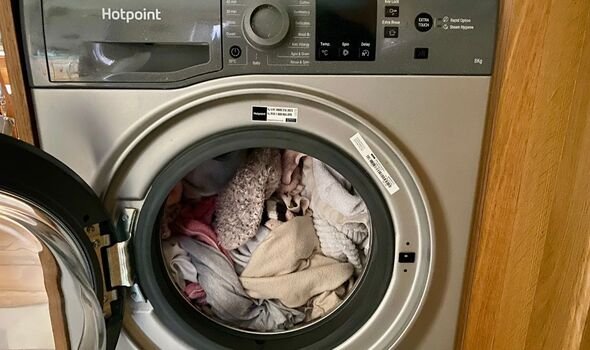
Dealing with hair and lint buildup in the laundry can be frustrating, especially when it leaves clothes and towels looking less than fresh right out of the wash. These tiny fabric fibers and stray hairs often cling stubbornly, even after a thorough cleaning cycle, making post-wash touch-ups a chore without tools like lint rollers.
The Challenge of Lint and Hair in Laundry
Lint consists of small fibers shed from clothing edges during washing, while hair adds to the mess by adhering to damp surfaces. This issue is common in households, particularly with frequently used items like towels and favorite sweaters. Traditional methods, such as manual removal, only go so far and can be time-consuming.
A Simple and Effective Solution
To tackle this problem, reusable lint and hair catcher balls offer a practical fix. These balls, covered in velcro-like material, are designed to trap debris during the wash. Toss one into the machine with your load, and as it tumbles, it gathers lint and hair before they can settle on fabrics. This approach has proven reliable, with the balls maintaining effectiveness for more than a year of regular use.
Made from durable synthetic materials like polyester or nylon, the balls feature a textured surface that attracts and holds onto particles. After each cycle, simply rinse them under water to release the collected lint and hair, preparing them for the next load.
Affordable and Energy-Saving Option
These catcher balls are an inexpensive addition to any laundry routine. A pack of three costs around £2 at stores like B&M, breaking down to just 67p per ball. Since only one is needed per wash, they provide long-term value without recurring expenses.
This method also aligns with efforts to reduce energy use. Tumble dryers, while equipped with lint filters, consume significant power. By minimizing dryer reliance and focusing on wash-cycle prevention, households can lower their environmental footprint.
Alternative Ways to Reduce Lint and Hair
If catcher balls aren’t ideal, other strategies can help. A lint brush allows for targeted removal before or after washing. Adding fabric softener to the cycle cuts down on static electricity, which draws lint to clothes. For drying, sheets infused with anti-static agents can further minimize cling during the process.
Incorporating any of these tips ensures cleaner, fresher laundry with minimal effort, keeping your wardrobe and linens in top condition.









