

Hamilton marks its inaugural Black Mental Health Week, aiming to elevate concerns beyond mere awareness and actively tackle rising mental health challenges in Black communities.
Driving Change Through Community Action
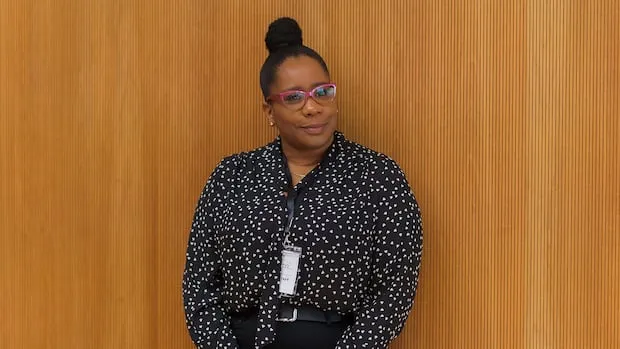
Terri Bedminster, director of Refuge Newcomer Health, emphasizes the need to “raise the alarm.” Families served by the organization, which reduces healthcare barriers for new immigrants and refugees, face a steady rise in mental health issues. The initiative launched in partnership with Blk Owned, an organization supporting Black-owned businesses and entrepreneurs in the Hamilton area.
Bedminster draws inspiration from similar efforts in cities like Toronto, which began an annual Black Mental Health Week in 2020. The week’s focus spotlights persistent mental health struggles, urging action against stigma, systemic obstacles, and the push for culturally responsive care and community support.
“Black Mental Health Week will serve as a reminder that we must confront stigma, address systemic barriers, and ensure that culturally-responsive mental health care and meaningful community support are accessible to everyone,” Bedminster states.
Stark Disparities in Mental Health Access
Data from the Canadian Mental Health Commission in 2021 reveals significant gaps: between 2001 and 2014, only 38 percent of Black Canadians with poor or fair mental health used services, compared to 50 percent of white Canadians.
As International Women’s Day nears, Bedminster highlights acute challenges for Black women. Approximately 23.5 percent receive mental health diagnoses, with elevated rates of major depressive episodes and anxiety.
Ashleigh Montague, director of Blk Owned, notes that 62 percent of Black entrepreneurs her group supports report weekly depression, with half pointing to cashflow as a primary stressor.
Initiatives for Real Impact
These figures demand urgent responses, Bedminster asserts. “We owe it to our community to respond in ways that matter.” Refuge offers mental health services to Blk Owned entrepreneurs and facilitates the Black Health Community Advisory Table.
This table unites community members and organizations to discuss issues and solutions, maintaining direct ties to the Greater Hamilton Health Network for access to healthcare professionals.
“That’s a safe space where we can come and talk about these issues and collectively decide how we address them,” Bedminster explains.
Key barriers—limited resources and service stigma—persist in Black communities, but collaboration offers a path forward, Bedminster concludes.









