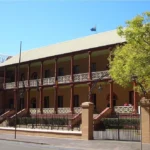
Inside Hungary’s stunning neo-Gothic parliament, Péter Magyar takes the oath as the nation’s new prime minister on Saturday amid a solemn ceremony. Celebrations erupt outside as crowds from across the country gather to celebrate the end of Viktor Orbán’s 16-year dominance.
Landslide Victory Reshapes Politics
Weeks after Magyar’s Tisza party secured a resounding election win, the event shakes the global far-right landscape, mends Hungary’s tense EU ties, and sparks joyous all-night festivities along the Danube. Magyar urges citizens to embrace regime change, posting on social media: “We will step through the gateway of regime change with a huge party. Come along, and invite your family and friends!” He describes the election as the close of Hungary’s “two-decade-long nightmare.”
Key Reforms and Symbolic Gestures
Magyar signals swift action by pledging to halt state media broadcasts that served as government mouthpieces, demanding resignations from Orbán-era officials, and returning donations from Orbán allies. The ceremony features potent symbols: the EU flag returns to parliament’s facade after its 2014 removal, and Krisztián Kőszegi assumes the role of the first Roma vice-president of the assembly. Over a quarter of lawmakers are women, setting a post-communist record.
High Hopes Amid Everyday Struggles
In Győr, a northwestern city of 175,000, residents voice optimism amid economic woes. Tamás, 45, reflects on initial support for Orbán turning to frustration over misused funds, rundown hospitals, and outdated schools. “Sorry for my language, but Orbán just fucked these last years,” he says. Zsuzsi, 60, notes improved morale even in Fidesz strongholds, crediting Magyar’s anti-corruption moves that unlocked EU funds. “There are huge hopes for him,” she adds. “Things can’t get worse.”
Mixed Sentiments and Lingering Fears
Not all share unbridled enthusiasm. Gabi, 56, who backed the far-right Our Homeland party, worries about EU-driven migration and Magyar’s style. “Everyone I know, they are scared,” she says, citing Ursula von der Leyen as intimidating. Dávid, 25, a part-time electrician, critiques Orbán’s fear-based tactics targeting EU leaders, George Soros, and Volodymyr Zelenskyy, which permeated daily life through coerced voting and billboards. “This repetitive propaganda was really effective in some ways. It became a religion.”
Confronting the Past
Saturday marks Orbán’s absence from parliament since 1990; he declined his seat last month. Magyar targets the wealth of Orbán’s circle, stating in Italy: “We had to fight a different kind of mafia in Hungary.” In Győr’s central plaza—site of Orbán’s tense rally—Géza, 64, welcomes exposure of past misdeeds. “The skeletons are falling out of the closet.” A recent survey shows two-thirds of Hungarians seek accountability for Orbán. Magyar plans an authority to probe and recover misused public funds, with Géza adding: “We’re waiting to see if there will be consequences.”