Escalating tensions in the Middle East raise global concerns, with missiles striking areas popular among British travelers, including Dubai in the United Arab Emirates. The British Prime Minister’s cautious stance on involvement has drawn criticism from Donald Trump. A former NATO commander warns that the conflict risks sparking World War 3.
Ex-NATO Leader’s Stark Warning
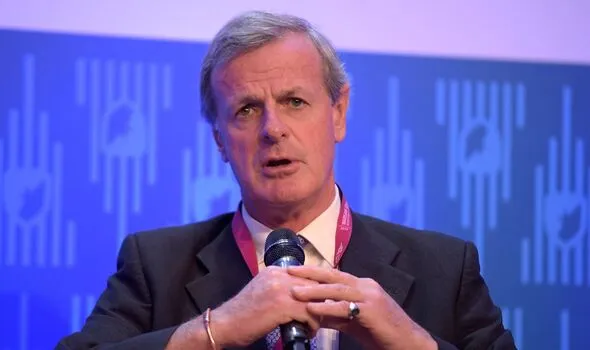
Richard Shirreff, former deputy supreme allied commander of NATO in Europe, describes the current geopolitical landscape as the most dangerous he has witnessed. He states, “I cannot remember a more perilous moment in geopolitics in my lifetime.” Shirreff further cautions, “Future historians will look back at this week’s reckless attempt at ‘regime change from the skies’ as the final catalyst for a third world war.”
Potential Return of Conscription
In the event of a full-scale global conflict, the UK might reinstate conscription, last implemented in 1960, to bolster armed forces against international threats. Author and historian David Swift predicts financial penalties over imprisonment for those who refuse to serve.
Swift explains the rationale: limited prison capacity, enforcement challenges, and a focus on monetary incentives. He anticipates “fines rather than imprisonment or anything like that.”
Lessons from Other Nations
The UK could adopt models like Greece, where draft refusers face a €6,000 (£5,213) fine, though discussions in 2019 considered abolishing it. Alternatively, Switzerland imposes an additional three percent tax on refusers for the duration of their required service period.
Swift notes, “This way, the fines are severe enough to present a genuine disincentive not to serve, but not as severe as imprisonment.”
Targeted Exemptions and Conscription
Certain groups may receive exemptions, particularly those in key defense industries amid efforts to rebuild capacity. Swift suggests conscripting workers into these sectors or focusing on unemployed graduates, a move likely to gain public support, including from thinkers aligned with Labour leadership.
Economic Ripples from the Conflict
The Middle East unrest has driven oil prices above $100 (£75) per barrel. Nations such as Croatia and South Korea respond with fuel price caps to mitigate impacts on consumers.