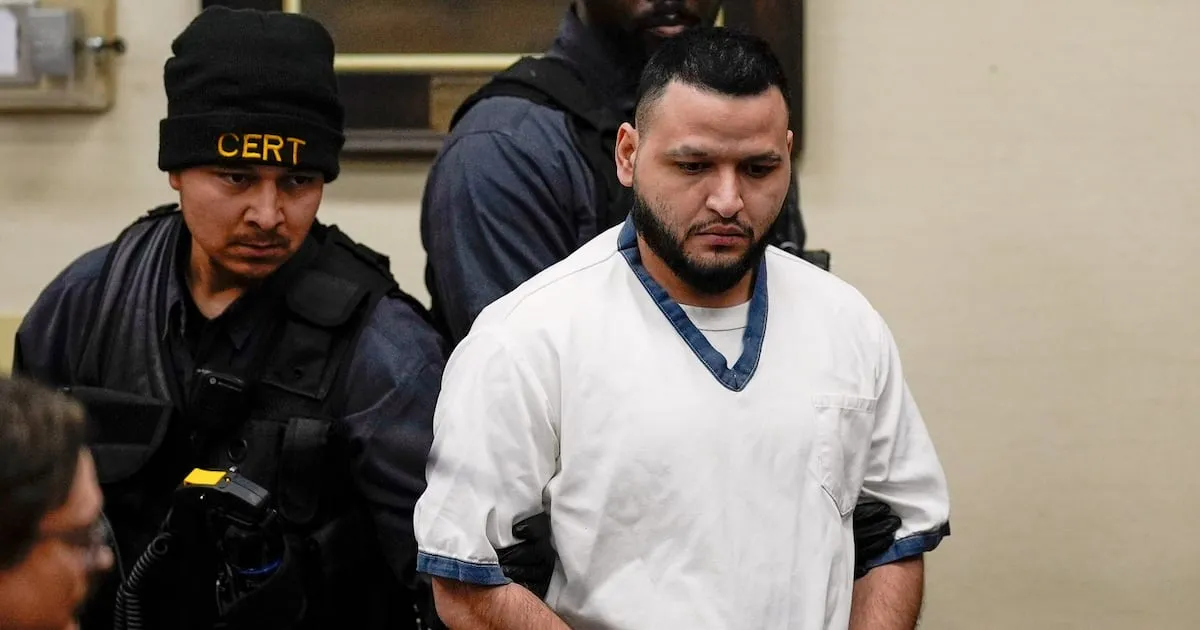
A federal judge in Georgia has denied a motion for a new trial filed by Jose Ibarra, the Venezuelan national convicted of murdering nursing student Laken Riley. The case drew significant attention amid discussions on immigration policy.
Trial and Conviction Details
Ibarra’s defense team claimed violations of his constitutional rights, citing the judge’s refusal to grant two pretrial motions. These included a request to postpone the trial for an expert to examine DNA evidence and another to suppress certain cellphone data.
Clarke County Superior Court Judge H. Patrick Haggard, who oversaw the bench trial after Ibarra waived his jury right, described the prosecution’s evidence as “overwhelming and powerful.” In November 2024, Haggard convicted Ibarra of murder and related charges, imposing a life sentence.
Defense Motions Rejected
The defense sought a six-week delay to allow a DNA expert to review evidence processed with TrueAllele Casework software. Judge Haggard ruled that the defense effectively contested the DNA evidence during trial and that the denial caused no prejudice.
During a January hearing, the expert testified, but the judge deemed her opinions unpersuasive and unlikely to alter the verdict.
Additionally, attorneys challenged the seizure of two cellphones from Ibarra’s apartment, arguing they were absent from the search warrant. The judge upheld the seizure under exigent circumstances and noted that searches occurred only after proper warrants for the devices’ contents.
Background and Next Steps
Ibarra, 28, entered the U.S. illegally in 2022 and remained while his immigration case proceeded. Prosecutors stated he encountered Riley, 22, during her jog on the University of Georgia campus in Athens on February 22, 2024, and killed her in a struggle. Riley studied nursing at Augusta University College of Nursing, which operates a campus in Athens, roughly 70 miles east of Atlanta.
Ibarra has 30 days to file a notice of appeal.