

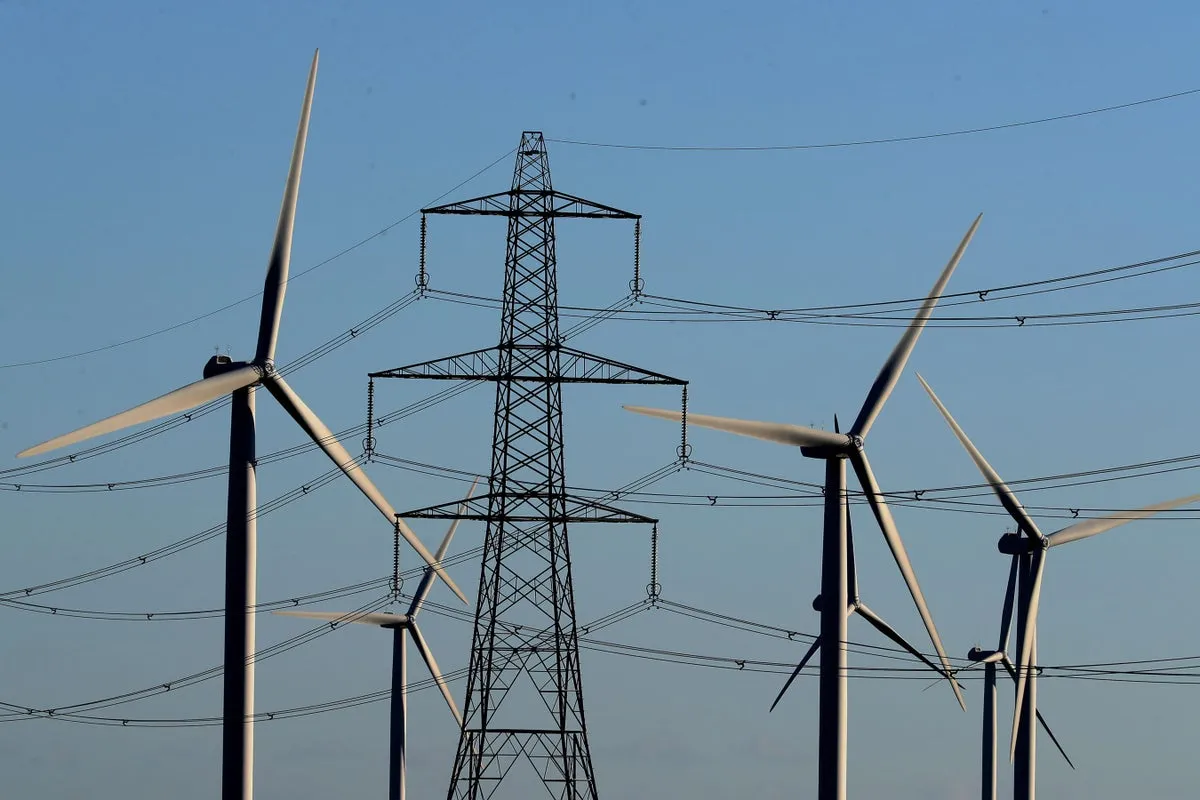
Renewable energy sources produced a record 52.5% of the UK’s electricity in 2025, provisional data from the Department for Energy Security and Net Zero (Desnz) indicates. This output reached 152.5 terawatt-hours (TWh), up 5.7% from 2024, thanks to expanded installations and better weather conditions.
Capacity Expansion Drives Growth
The UK grid gained 3.8 gigawatts (GW) of renewable capacity in 2025, boosting the total to 65.1 GW from 61.3 GW the previous year. This progress aligns with the government’s goal to phase out nearly all fossil fuels from electricity generation by 2030, aiming to lower bills, spur economic growth, enhance energy security, and combat climate change.
Minister Highlights Milestone
Energy Minister Michael Shanks described 2025 as “a major step towards greater control over our energy, our bills and our future.” He added, “Britain didn’t just break records in 2025 – we blew them away.”
Amid rising oil and gas prices from the Iran conflict, Shanks noted, “Four years on from Russia’s invasion of Ukraine we are again seeing what it means to be in the grip of volatile fossil fuel markets we do not control.” He emphasized accelerating clean energy like solar and wind, alongside budget measures cutting bills by £117, to shield households from price shocks.
Wind and Solar Surge
Wind power set a new benchmark at 30.0% of generation, delivering 87.1 TWh after a 4.1% rise. Solar output jumped 36.6% to 20 TWh, securing a 6.9% share.
Low-Carbon Share Dips Slightly
Nuclear generation fell to a record low, partially offsetting renewables growth. Low-carbon sources thus slipped to 64.8% from 65.0% in 2024. Fossil fuels rose 2.0% from their prior low, linked to fewer imports.
Broader Energy Trends
Total UK energy production, including heating and transport, declined 1.0% to a new low, driven by waning output from aging fossil fuel fields after the ban on new North Sea exploration licenses. Household energy use matched 2024 levels but stayed below pre-pandemic norms due to high prices and warm weather.
Greenhouse Gas Emissions Fall
UK territorial emissions dropped 1.8% in 2025 from 2024 and 53.6% since 1990. Key sectors included domestic transport (30.8%), buildings and product uses (21.9%), agriculture (12.5%), industry (11.2%), electricity supply (10.2%), and fuel supply (7.4%).
Biggest cuts came from reduced blast furnace activity in industry and coal elimination in electricity after the Ratcliffe-on-Soar plant closed in September 2024. Transport emissions climbed 2.2% from higher petrol and diesel road use, while fuel supply fell 5.2% and buildings 1.7%.









