Middle East Conflict Fuels Inflation Surge in Canada’s North
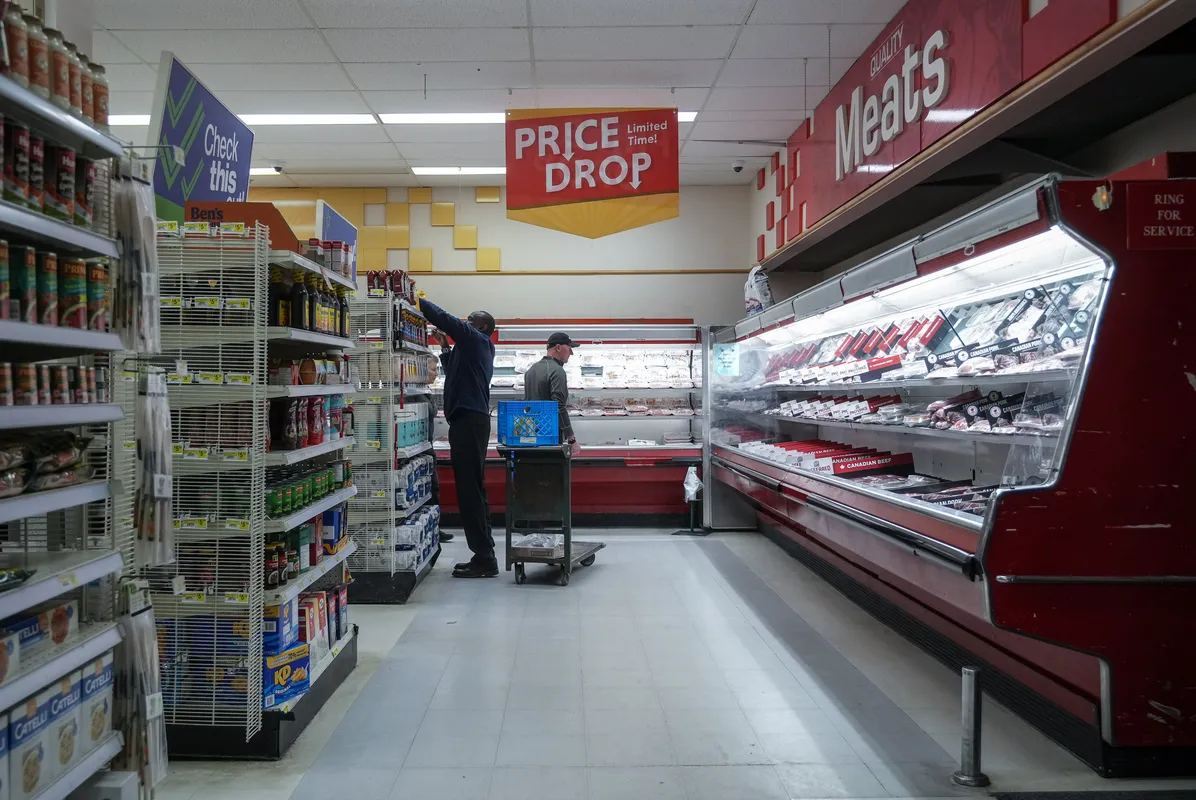
Communities in Canada’s North face amplified inflationary pressures from the Middle East conflict, as retailers brace for the vital sea-shipping season for essential goods. Grocery costs already run high due to extended transport distances, making fuel price hikes hit northern stores harder than southern ones, particularly for perishable items transported by air.
Escalating Freight Costs Challenge Retailers
Food security remains a pressing concern for northern families, worsened by surging fuel expenses. “Food security in the North is a real issue facing families in every one of the communities we serve, and the problem is only being exacerbated by these high immediate fuel costs,” stated Mike Beaulieu, vice-president of Canadian store operations for The North West Co., which runs over 125 Northern and Northmart stores.
Northern retailers encounter inbound cost rises similar to those nationwide. Maple Leaf Foods Inc. notifies retailers of delivery surcharges linked to elevated transportation expenses from global energy disruptions amid the United States and Israel’s conflict with Iran. The North West Co. received such a notice and anticipates more from other suppliers.
However, outbound shipping from distribution centers to remote areas sees dramatically larger increases. A shipment to a Nunavut store, for instance, travels eight hours by truck from Winnipeg to Thompson, Manitoba, before flying the rest of the way. “We have communities today where the freight cost per pound can be $6 or $7 a pound. So, a 10-pound jug of milk can cost $60 to $70 to transport,” Beaulieu explained. “Even a small increase in that rate translates not into penny increases, it’s dollar-level increases on heavier items.”
Government Response and Ongoing Pressures
Prime Minister Mark Carney recently announced a temporary federal tax relief on gasoline, diesel, and aviation fuel, effective next week through Labour Day. This measure aims to lower operating costs for truckers and sectors including food, agriculture, housing, construction, and delivery.
Air freight proves essential for perishables heading north, but retailers also eye the upcoming sea lift season for non-perishables. Warmer months enable barge shipments to restock shelf-stable goods for communities without winter ice roads. “It’s going to be a question of how those goods – that are bought in April and May and June and July for this season’s sea lift – how is the cost of those goods going to be impacted by the fuel situation?” questioned Duane Wilson, vice-president of stakeholder relations at Arctic Co-operatives Ltd., which supports 32 members running grocery stores across 33 communities in Yukon, Northwest Territories, Nunavut, and northern Saskatchewan.
Sustained high fuel costs could drive retail prices upward for the entire year.
Persistent Food Affordability Issues
High food costs plague the North, driven by fuel, remote locations, and limited scale. A recent Nunavut government study reveals a basket of 24 common items averaged $198.75 in the territory in 2025—$66.31 more than in Ottawa. Potatoes averaged $10.34 versus $4.98; 2% milk $7.29 versus $5.53; and pork chops $18.44 versus $13.17, per the Nunavummit Kiglisiniartiit report.
The Nutrition North Canada program, launched in 2011, subsidizes nutritious food transport to encourage lower consumer prices. Yet critics note its shortcomings. “Longitudinal analysis of food insecurity prevalence in Nunavut suggests that the prevalence of food insecurity increased even after the program was introduced,” according to a 2021 Inuit Tapiriit Kanatami report on food security strategies.
As the Middle East conflict persists and carriers impose fuel surcharges, select item prices rise on shelves, with further hikes likely. “All these cost inputs are still loading into the system,” Beaulieu warned.