

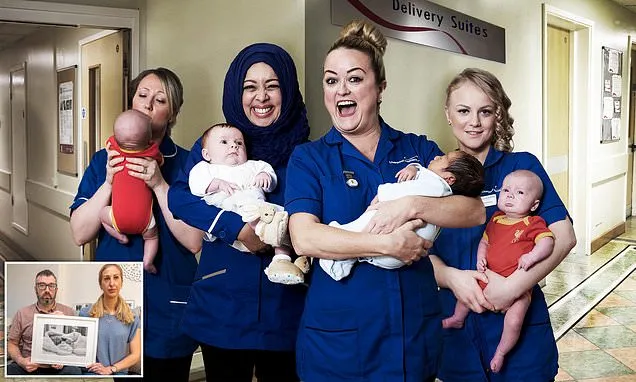
Expectant mothers once turned to Channel 4’s One Born Every Minute for reassurance about labor wards. The Bafta-winning series portrayed midwives radiating compassion and support through challenging births. Now, its announced return after seven years draws sharp criticism from maternity reform campaigners and bereaved parents amid widespread NHS maternity failures.
Leeds Hospital Tragedies Linked to Filming Site
Fiona Winser-Ramm chose Leeds General Infirmary for her daughter Aliona’s birth in 2020, influenced by its appearance in the show’s third and fourth series and a positive Care Quality Commission rating. Aliona lived only 27 minutes. A coroner ruled the death resulted from midwife neglect and gross basic failures.
Midwives overlooked reduced fetal movements and possible waters rupture, delayed escalation to doctors, and falsified records claiming parents were informed of concerns. After a 72-hour labor, Aliona emerged in unsurvivable condition.
“How wrong I was,” Fiona states. She warns the series misleads viewers into trusting all maternity care blindly. “It portrays the view that everyone receives outstanding care,” she says, noting 65% of services rate inadequate, with racism and cultural issues beyond staffing shortages.
Angela Welsh lost her son Kion at full term in Leeds during 2011 filming. After placental shutdown, midwives sent her home, later forcing a normal birth without C-section option. Placed on the labor ward amid live births, she received no compassion, counseling, or privacy. One midwife suggested refrigerating her baby; another overrode wishes on cleaners.
“One Born Every Minute is not a true portrayal,” Angela asserts. “It’s staged and shows only what they want.” She calls the revival a “kick in the teeth” and urges a documentary on baby death scandals instead.
National Maternity Inquiries Expose Failures
Leeds faces a government inquiry led by Donna Ockenden, following her Shrewsbury review. The trust joins 14 others in the National Maternity and Neonatal Investigation under Baroness Amos.
Ockenden also reviews Nottingham and Sussex services. Maternal deaths hit a 20-year high despite falling birth rates. Black women face three times higher childbirth mortality. Midwifery training reforms address this emergency.
Baroness Amos’s February interim report highlights structural racism, poor staff relationships, and lacks in compassion and transparency after losses. “Maternity and neonatal services fail too many,” she states.
Concerns Over New Filming at Manchester’s Saint Mary’s
The reboot films at Saint Mary’s Hospital, Manchester. A 2023 Care Quality Commission inspection flagged insufficient skilled staff. Chief Nursing Officer Kimberley Salmon-Jamieson says improvements continue, welcoming re-inspection.
Sources claim senior Band Seven midwives discourage junior staff from participating. The trust denies bullying, insisting voluntary involvement and no complaints.
Fiona argues shielding realities insults women. “Bereaved families wish they knew more to safeguard their loved ones,” she says.
Channel 4 Defends Return
Senior Commissioning Editor Vivienne Molokwu calls it a privilege to capture emotional birth journeys in the digital age. Producer Will Rowson sees an exciting reimagining amid maternity changes.
Channel 4 notes its news coverage of inquiries and clarifies the series observes personal stories, not investigates national provision. Filming awaits, with full editorial control.
Bereaved parents and groups like Families Failed By OUH Maternity Services decry the timing. One X post quips: “One born every minute, one killed every 11 hours.” Campaigners demand reflection of 2026 realities, including failures, for true accountability.









