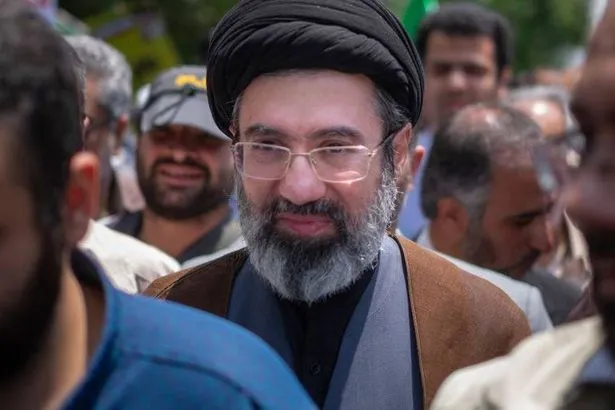
Iranian officials hesitate to bury Supreme Leader Ali Khamenei, whose remains lie unburied over a month after his death in a US-Israeli airstrike on February 28. This delay breaks long-standing traditions and stems from fears of Israeli strikes, potential counter-protests, and questions over the absence of his son, Mojtaba Khamenei, the new supreme leader who has not appeared publicly since his appointment.
Contrast with Past State Funerals
The massive funeral for Khamenei’s predecessor, Ayatollah Ruhollah Khomeini, in 1989 drew millions to Tehran’s streets in mourning. In contrast, no similar gatherings occurred for Khamenei amid weeks of airstrikes that targeted many regime leaders. Security expert Behnam Ben Taleblu notes, “It speaks volumes that the turnout for the funeral of the regime’s founding father in 1989 was such a massive affair, and yet one generation later his successor is still not able to have a funeral well over a month after his passing.”
Taleblu adds, “The Islamic Republic likes to talk a big game about owning the streets, but a 50-day internet blackout tells you all you need to know. The regime fears the consequences of the truth getting out.”
Potential Burial Site in Mashhad
Authorities consider Mashhad, a remote northeastern city near Turkmenistan and Khamenei’s birthplace, as a burial location. Situated far from Israel, it offers security advantages near a shrine with heavy protection. One plan envisions interring him close to the shrine to safeguard the tomb.
Original Plans Disrupted
The regime initially scheduled a three-day state funeral starting March 4, but extensive US and Israeli bombing campaigns prevented it. No new dates are set. A US-Iran ceasefire agreed on April 8 nears its end this Wednesday.