

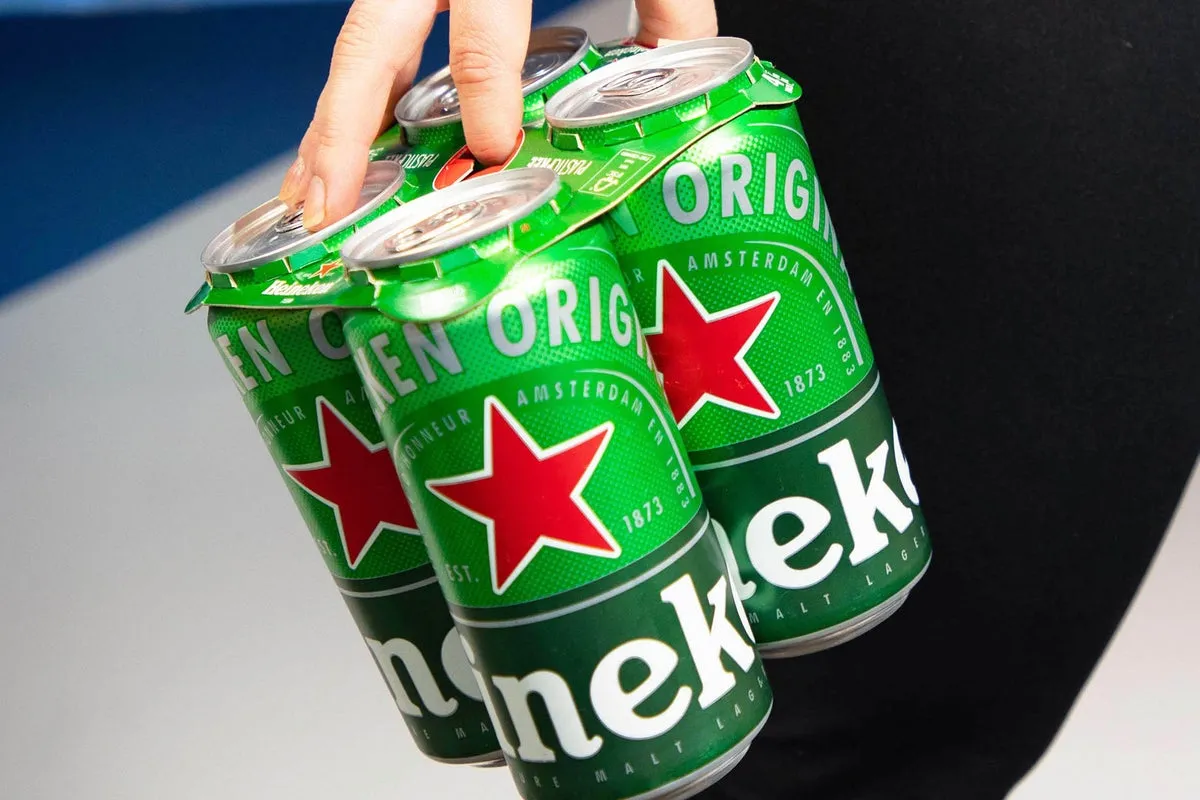
Heineken delivers stronger-than-anticipated first-quarter revenues and sales volumes, yet cautions that rising energy costs and inflation, intensified by Middle East tensions, may hinder future beer demand.
Robust Q1 Performance Exceeds Expectations
The global brewing leader, ranking second behind Anheuser-Busch InBev, achieves a 2.8% increase in organic net revenue, surpassing analyst estimates of 2.3%. Organic volumes rise 1.2%, defying predictions of no growth. Strong results in the Asia Pacific region counteract declines in Europe and the Americas, including key markets like the US, Brazil, and Mexico.
Headwinds from Geopolitical Tensions and Costs
Middle East conflicts drive up prices for vital brewing inputs like fuels and glass bottles, fueling broader inflation that could squeeze consumer spending on beer. Heineken anticipates a tough year due to ongoing cost-of-living strains, shifting drinking preferences, and US tariffs.
“Global trade has become more complex and volatile, with impacts on energy availability and costs in certain markets. This leads to inflationary pressures, which might affect consumer sentiment in the medium-term,” states outgoing CEO Dolf van den Brink.
Leadership Transition and Cost-Cutting Measures
Heineken plans to eliminate 6,000 positions and searches for a new chief executive after van den Brink’s sudden January exit. The latest earnings release omits updates on the CEO hunt. Van den Brink presents his final report before departing on May 31.
Full-Year Outlook Remains Steady
The company upholds its forecast for 2% to 6% organic operating profit growth, assuming short-term rather than extended global trade disruptions. RBC Capital Markets analyst James Edwardes Jones describes the quarter as “reassuringly uneventful.”









