

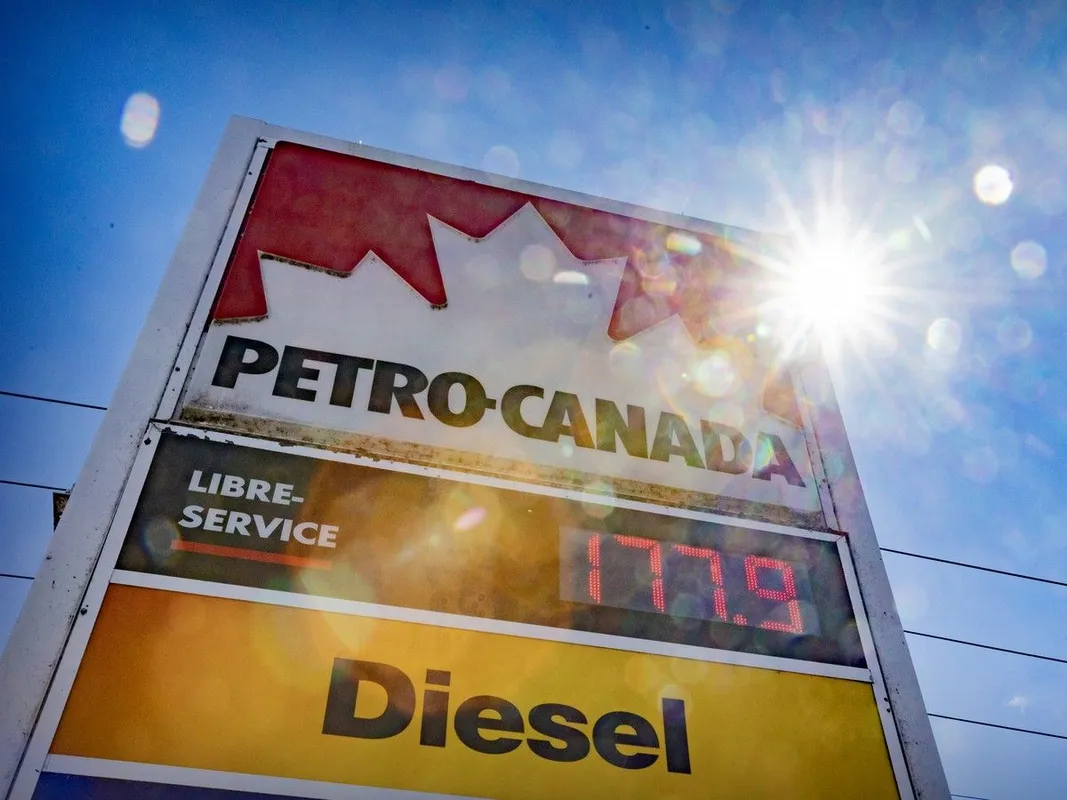
WASHINGTON, D.C. — Motorists face escalating sticker shock at fuel pumps amid the U.S.-Iran conflict that escalated in late February. Gas prices in Canada now average $1.75 per litre, up from $1.32, while U.S. prices stand at US$4.03 per gallon, compared to US$2.98 previously. For a vehicle with a 14-gallon tank, refueling costs in Canada have risen from about $70 to $94, and in the U.S. from roughly $41 to $56. Fuel expenses remain nearly 30 percent higher than last year in both nations.
Border Communities Feel the Strain
In U.S. and Canadian border regions already grappling with reduced road travel—often linked to tariffs and heated rhetoric—surging fuel costs add further pressure on local businesses. Communities question whether North Americans will embark on road trips this season or opt to stay home amid higher expenses and softer demand.
“(Higher gas prices) just make it worse,” states Mayor Mary Lou Seward of Blaine, Washington, a dual U.S.-Canadian citizen. “Everybody’s struggling… I’m not having to ask, ‘Can I drive my car or buy my medications?’ … But there are people that have to make that decision.”
Traffic from Canada to Blaine has dropped sharply over the past year, mirroring broader trends. Canadian vehicle visits to the U.S. fell 30.9 percent last year compared to 2024, with February 2026 recording a 12.3 percent decline to 1.2 million trips—71 percent of which were day trips.
Political Climate Deters Travelers
Recent surveys reveal that political tensions with Washington deterred 61 percent of Canadians from U.S. travel last year, rising to 67 percent by early March 2026, shortly after the Iran conflict began. “The overwhelming drive right now … is that pushback toward the Trump administration,” explains Laurie Trautman, director of the Border Policy Research Institute at Western Washington University in Bellingham.
U.S. visits to Canada dipped 3 percent last year, including a nearly 5 percent drop in car arrivals. However, February 2026 saw a reversal, with U.S. cross-border travel to Canada increasing over 6 percent.
Tariffs and Rhetoric Impact Tourism
Tourism operators on both sides attribute softened demand in border areas to tariff uncertainties and economic concerns. “The market has softened because of tariff uncertainty and economic anxiety,” notes Gordon Orr, CEO of Tourism Windsor Essex Pelee Island. People typically reduce discretionary spending like travel first.
Niagara attractions experienced a 10-12 percent decline from 2024 to 2025 due to fewer Canadian visitors, according to John Percy, president and CEO of Destination Niagara USA. Similar impacts hit quieter spots like Sault Ste. Marie in Michigan and Ontario. “The president’s messaging (feels) almost unwelcoming,” says Travis Anderson, director of tourism and community development in Sault Ste. Marie, Ontario. Canadian visitors to the Michigan side have fallen significantly, likely double digits, tied to the political atmosphere.
Mayor Seward reports a roughly 40 percent drop in Canadian traffic to Blaine, blaming tariffs and rhetoric. Local Canadians express frustration: “They’re just like, ‘How dare you do this to us? We’ve been your best friends forever.’” This decline affects retail, tourism, restaurants, parcel services, and municipal revenues.
Safety Fears and Fading Fuel Tourism
Safety concerns also weigh on Canadians, amid reports like the 16-day detention of an 85-year-old French woman by ICE. “What we are seeing is kind of this broader landscape of fear around these issues because there are these really heinous things happening,” Trautman observes. “‘That could be me,’ they’re saying.”
Fuel tourism has vanished; in 2018-19, 20 percent of cross-border trips cited gas savings, but only 2 percent in 2025. A weak Canadian dollar and new Washington state gas taxes—added atop a carbon tax after Canada’s federal carbon tax ended—make crossings unappealing.
Fuel Costs to Further Suppress Travel
Higher gas prices threaten to exacerbate declines, especially Canada-to-U.S. trips. Surveys indicate fuel costs influenced 32 percent of Canadians this year, up from 29 percent last year. A U.S. News poll shows 65 percent of Americans adjusting summer plans due to rising costs, 42 percent citing fuel specifically.
“Anytime that you increase the cost of travel, there’s a concern,” Orr warns. Percy adds, “When you’re creeping over a dollar (increase in gas), is that going to play a significant role…? I would have to say yes.” He questions, “It’s just another reason not to travel … how many more factors can you pile on?”
Trautman predicts a lasting downturn: “The loss of trust isn’t just going to be fixed by a good trade negotiation. I think we’re in a long-term period of relatively low cross-border travel.”









