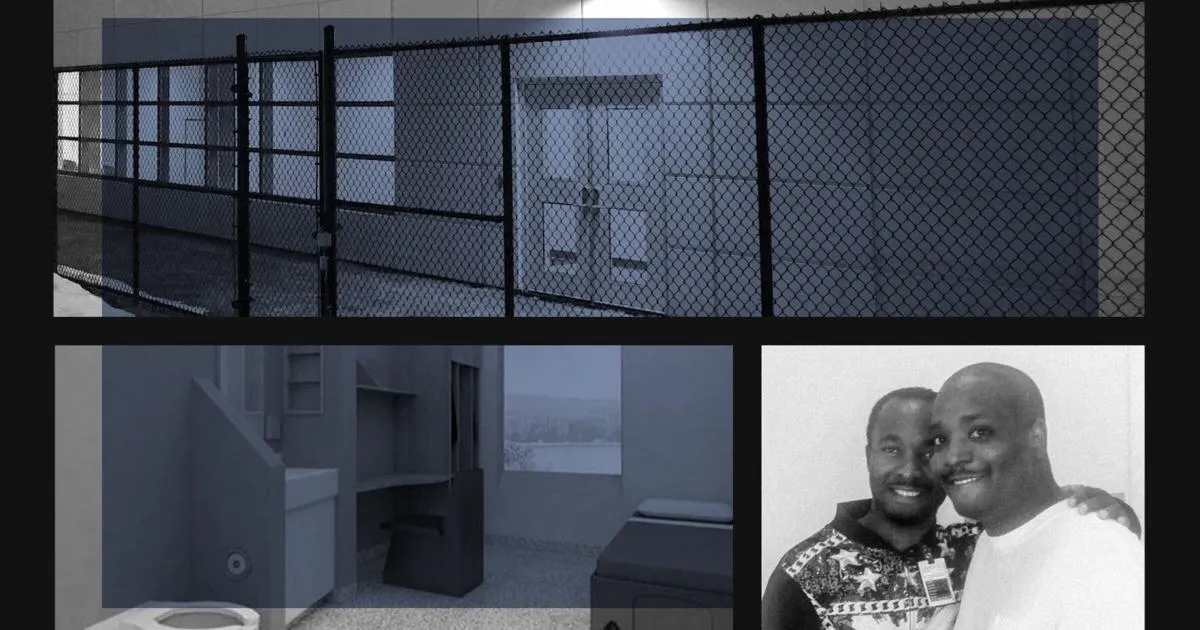
Camelott Hamblett, a 43-year-old man from Toronto, has endured 20 years in seclusion at Waypoint Centre for Mental Health Care, Ontario’s only high-secure forensic psychiatric hospital in Penetanguishene. This facility houses patients with the province’s most complex mental health needs, overlooking Georgian Bay. Hamblett’s aggressive behavior, stemming from treatment-resistant schizophrenia, keeps him in a sparsely furnished isolation room. He was found not criminally responsible for a sexual assault two decades ago after following a stranger, exposing himself, and declaring intent to have sex.
Court Orders Independent Review
The Ontario Court of Appeal expressed shock at Hamblett’s conditions and lack of treatment progress, ordering an independent assessment in January. This move aims to end his seclusion. Hamblett likely holds the record for the longest isolation in any Ontario psychiatric hospital, highlighting Waypoint’s heavy reliance on prolonged seclusion amid a broader shift away from the practice elsewhere.
Experts Label Practices Excessive
Waypoint’s seclusion methods exceed those at other North American facilities, according to U.S. mental health nurse Kevin Ann Huckshorn and psychologist Janice LeBel. In an expert report for a proposed class-action lawsuit, they describe the approach as “grossly in excess,” “egregious,” “abusive,” and inconsistent with recovery-oriented, trauma-informed care. They assert no U.S. facility uses seclusion similarly.
Dr. John Bradford, a leading forensic psychiatry expert who briefly worked at Waypoint, called the prolonged confinements “horrific conditions, the likes of which I have never seen in any other psychiatric hospital in Ontario.” He views seclusion as a necessary tool but like “psychiatric intensive care,” with multidisciplinary teams minimizing time in isolation.
Forensic psychiatrist Dr. Gary Chaimowitz, head of forensic services at St. Joseph’s Healthcare in Hamilton and lead author of the Canadian Psychiatric Association’s position on seclusion, acknowledges its dehumanizing potential. He notes Waypoint’s patients present unique challenges as a last-resort placement, sometimes requiring extended use when alternatives fail. Regular assessments and external opinions remain essential.
Lawsuit Dismissed by Supreme Court
A proposed class-action lawsuit alleged excessive and arbitrary long-term seclusion. Filed in 2020 by Toronto firm Rochon Genova on behalf of patients like Ruben Stolove, who spent over five years in seclusion due to schizophrenia, it was rejected by lower courts. They ruled decisions are individualized, based on behavior, medications, and risk. The Supreme Court of Canada denied appeal earlier this month. Hamblett is not a plaintiff. Lawyer Golnaz Nayerahmadi states such treatment reflects societal values.
Waypoint’s Commitment to Change
Dr. Nadiya Sunderji, Waypoint’s president and CEO, affirms dedication to reducing seclusion where clinically appropriate. Recent improvements include lower violence and reduced reliance on isolation. “Waypoint is dedicated to protecting the dignity and rights of every patient… We work tirelessly to maximize quality of life,” she stated. Most patients enjoy freedom of movement, therapy, and programs.
Implementation of the “six core strategies” began formally in 2023, with substantial progress. These include senior leadership involvement, data collection, staff training, prevention tools, patient input, and debriefings. Examples show 93-96% reductions in seclusion at a Massachusetts facility and decreases in Finland’s high-security hospital.
Parallels to Prison Segregation
Seclusion mirrors prison segregation, which drew federal reforms in 2019. Former correctional investigator Howard Sapers notes similar or harsher conditions, with patients describing confusion, neglect, and mental decline. UN Nelson Mandela Rules limit solitary to 15 days, viewing prolonged isolation as potential torture. Ontario Review Board counsel Gavin MacKenzie clarifies these apply to prisons, not hospitals under the Mental Health Act, requiring clinical justification.
Sen. Kim Pate calls long-term seclusion “shocks the conscience,” ineffective, inhumane, and punishing.
Family Hopes for Progress
Hamblett’s independent assessment is imminent. Sister Cheyenne Phillip seeks proper care for eventual release. Mother Audrey Watson-Pinnock, a registered practical nurse, urges faith: “Have faith, have hope, and just trust God.” She believes he can thrive with family support and right medication.
Rochon Genova plans alternative legal paths. Lawyer Joel Rochon vows to support those mistreated in this maximum-security institution.