The recent local elections across England, along with votes for the Welsh Senedd and Scottish Parliament, delivered seismic shifts in British politics. The extent of the changes exceeded expectations, confirming long-anticipated challenges for the governing Labour Party.
Labour’s Crushing Defeat
Labour entered the contests controlling 68 of the 136 councils in England. The party relinquished 40 councils and surrendered 1,496 of its 2,564 defended seats, representing a 58% loss. These results signal deep voter discontent with the government led by Prime Minister Keir Starmer, despite his absence from the ballots.
Even the Conservatives, defending fewer seats, suffered heavily, dropping 563 of 1,364 seats—a 41% decline.
Reform UK’s Dramatic Rise
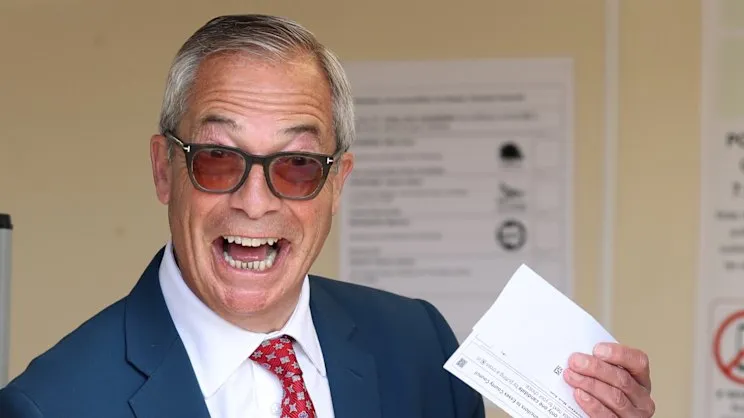
Nigel Farage’s Reform Party emerged as the clear victor. Starting with just two seats, it secured 1,454 by night’s end and gained control of 14 councils. A projection of its vote share onto the House of Commons suggests Reform could approach within 40 seats of a majority.
With the next general election years away, Reform positions itself as a major force, especially in a potential hung parliament scenario.
Nationalist Strongholds Challenge Labour
In Scotland, the Scottish National Party reclaimed power as anticipated. Wales delivered Labour’s most painful blow. Long a Labour stronghold since 1922, the party dominated the Senedd since its inception 27 years ago. Yet it retained only nine seats, with its vote share plummeting to 11%.
Greens Advance but Fall Short
The Green Party made gains, seizing control of five councils. However, it failed to achieve the expected surge in London. New leader Zack Polanski initially drew attention but encountered growing scrutiny during the campaign.
Labour also limited left-wing divisions, bolstered by Starmer’s firm stance against the war in Iran.
Starmer’s Unpopularity Drives Results
A Labour MP, canvassing door-to-door, observed, “It’s all about Keir. Everybody hates him.” Starmer’s net approval rating stood at -48 before the vote. Critics highlight his uninspiring style and a government mired in scandals and lacking clear direction.
Starmer’s 2024 landslide victory relied on anti-Conservative sentiment rather than a bold vision. His slogan, “Change,” offered little substance beyond opposition to the prior administration.
Broader Context in British Politics
Beneath the surface, persistent national pessimism—punctuated only by Margaret Thatcher’s reforms in 1979 and Tony Blair’s optimism post-1997—resurfaces. Brexit and COVID linger as unhealed wounds.
Recent Conservative chaos remains fresh, channeling support toward Reform. Farage, once dismissed by David Cameron a decade ago as a “swivel-eyed loon,” now stands as a pivotal figure amid frustration with established parties.