

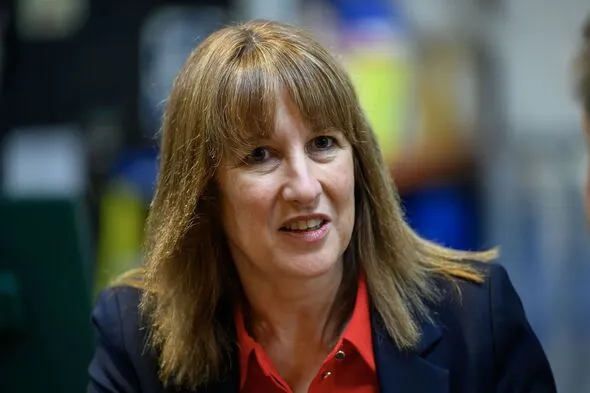
The Treasury is pausing its planned overhaul of Individual Savings Accounts (ISAs) following the discovery of a significant flaw in a key policy initiative. The proposed changes, championed by Chancellor Rachel Reeves, aimed to significantly alter how individuals save and invest within ISAs.
Key Policy Changes Halted
Under the original proposals, the annual cash ISA limit for individuals under 65 was set to be drastically reduced from £20,000 to £2,000. While the contribution threshold for stocks and shares ISAs was intended to remain unchanged, a new 22% tax was slated to be applied to any interest generated from cash balances held within these investment accounts.
However, these plans have been brought to an abrupt halt due to a newly identified loophole. Reports indicate that the proposed changes would have inadvertently allowed some savers to circumvent the intended tax crackdown on cash savings.
Circumvention Loophole Revealed
Analysis of the proposed rules revealed that savers could potentially avoid the new levy. By investing a minimal amount, such as one pence, into a stocks and shares ISA and holding the majority of their funds in cash-like vehicles, like money market funds, they could achieve low-risk, cash-like returns without incurring the new tax. These funds offer returns similar to cash but are structured as investments.
While the ISA reforms were ostensibly designed to encourage greater investment in the stock market, experts have voiced concerns that the complexity introduced by new “anti-circumvention” rules could prove counterproductive.
Understanding ISAs and Expert Warnings
ISAs are a specific type of savings or investment account available in the United Kingdom that offers tax protection on interest and investment returns, shielding them from income tax and capital gains tax. To open an ISA, individuals must be at least 18 years old. Currently, individuals can save or invest up to £20,000 annually, with the funds remaining tax-free, unlike standard savings accounts.
Industry figures have warned that the anticipated complexity of the new regulations could lead to administrative challenges and potentially discourage individuals from opening ISAs altogether, hindering efforts to cultivate a broader “nation of investors.” Sir Mel Stride, the shadow chancellor, has also ed concerns that the prevailing confusion surrounding the revised rules risks “leaving people in the dark.”
Tom Selby, AJ Bell’s director of public policy, commented on the situation: “We can only hope that any delay is because officials have recognised creating new tax charges for Isa investors and layering on burdensome complexity is unnecessary and precisely the wrong way to foster a retail investing culture in the UK.”
The current move also risks undoing the simplifying reforms implemented in 2014, which are credited with a significant 45% increase in ISA contributions during their first year.
Treasury Response
A spokesperson for the Treasury stated: “The vast majority of savers will continue to pay no tax on their savings, and the Treasury and HMRC are working at pace with industry on the detailed rules and will update on next steps in due course.”









