The music landscape of 1976 was a stark contrast to the seismic shift that was about to occur. Amidst a backdrop of societal unease, marked by events like the IRA bombing depicted on an influential music magazine cover, a palpable sense of stagnation permeated the rock scene. Critics lamented a perceived loss of authenticity, with music deemed increasingly detached from real-world concerns and heading towards a “neo-Las Vegas” sound. This sentiment was echoed by a new wave of artists who felt a profound disconnect with the prevailing musical establishment.
The Genesis of a Revolution
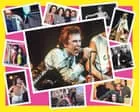
Fifty years ago, a pivotal moment occurred when the Sex Pistols performed their inaugural gig in Manchester. Though sparsely attended by a few dozen individuals, this event, along with subsequent debuts from The Clash, The Damned, and Buzzcocks, signaled the dawn of a new era. The proliferation of fanzines like Sniffin’ Glue and the arrival of The Ramones on British shores further amplified this burgeoning movement. By the end of September 1976, the Sex Pistols had made their television debut, Siouxsie and the Banshees and Subway Sect had played their first shows, and a legendary punk festival had taken place at London’s 100 Club. This period marked a deliberate obliteration of the preceding musical order from collective memory.
A Forgotten Musical World
Examining music publications from 1976 reveals a deeply unfamiliar sonic universe. Bruce Springsteen, despite his label’s aggressive promotion, was viewed with skepticism, while future stars like Nils Lofgren were receiving intense, almost overwhelming, press attention. Established acts like Elton John, Paul McCartney, Queen, and The Rolling Stones were discussed with a sense of impending obsolescence, with one publication questioning their relevance as they approached their 30s. Amusement also arises from discussions about gig ticket prices; The Rolling Stones’ spring tour tickets cost a mere £3, a fraction of today’s stadium concert costs.
Forgotten Names and Misapplied Labels
The pages of music papers from the era are filled with forgotten names such as the Jess Roden Band, Nasty Pop, and the Cate Brothers. A curious trend of bands blending music and comedy, exemplified by Alberto y Lost Trios Paranoias and Supercharge, also emerges. Intriguingly, the term “punk” was frequently used, but not in reference to the emerging New York scene or its progenitors. Instead, it was applied to innocuous pop-rock bands like City Boy and Mr Big, and even to Midge Ure’s teenybop act Slik, and bafflingly, to Nils Lofgren.
Discontent and the Pre-Punk Landscape
A persistent undercurrent of dissatisfaction with the state of music was evident. While 1976 saw the release of significant albums from artists like David Bowie, Bob Dylan, and Stevie Wonder, and a vibrant scene in soul, blues, and reggae, some perceived a lack of innovation. The early 70s had been characterized by a rapid succession of new styles, including heavy metal, glam rock, and disco. However, the British bands being touted for success in 1976, such as Sailor and Cado Belle, lacked significant innovation or a distinct scene. Meanwhile, established genres like glam and progressive rock were in decline. Bands like Druid and Premiata Forneria Marconi struggled to generate excitement, and pub rock, despite the success of Dr. Feelgood, lacked successors.
A Retreat into the Past
In the absence of fresh innovation, a revivalist sentiment took hold. A peculiar interest in 1940s music emerged, alongside a resurgence of big band revivalists like the Pasadena Roof Orchestra. Efforts to spark a mod revival by a teenager in Berkshire proved premature. The most prominent revival was of rock ‘n’ roll, with teddy boys marching to protest the lack of rockabilly on the radio. These revivalists often expressed sentiments similar to punks, citing boredom with contemporary music and a desire for an era perceived as less politically fraught.
The Arrival of Punk and its Immediate Impact
While some artists offered an outlet for the frustrations of 1976, a year marked by inflation and political turmoil, their impact was overshadowed. Eddie and the Hot Rods and the Heavy Metal Kids were touted as potential saviors, but their careers faltered. The Doctors of Madness, a band bridging glam and punk with a distinctive visual style and influences like The Velvet Underground, seemed poised for success. However, their frontman, Kid Strange, recalled the arrival of the Sex Pistols as a moment when “someone had just moved the fucking goalposts.”
Despite the revolutionary potential of punk, its initial reception in the music press was surprisingly muted. Reviewers questioned The Ramones’ originality, and even early Sex Pistols performances were met with equivocal or dismissive commentary. One publication boldly predicted that a “far better band” would be needed to create a raw music for the generation, while another criticized Johnny Rotten’s stance and directed readers toward the more traditional rock of The 101ers. Unbeknownst to them, Joe Strummer, The 101ers’ frontman, would soon abandon his band after witnessing the Sex Pistols.
The rise of punk had a profound and often devastating impact on the artists who were considered the future of music at the beginning of 1976. Bands like Strapps, Cado Belle, and the Heavy Metal Kids faded into obscurity, never achieving the prominence they once seemed destined for. City Boy and Mr Big were no longer labeled “punk.” Eddie and the Hot Rods achieved one significant hit before diminishing returns. While some rock ‘n’ roll revivalists found mainstream success, many remained underground. The young mod revivalist in Berkshire eventually became a celebrated DJ, his original plans sidelined by the punk explosion. Kid Strange’s experience of being supported by the Sex Pistols, only to witness his own band’s career eclipsed, encapsulated the fate of many pre-punk hopefuls, their ambitions lost to the relentless advance of a new musical force.