Echoes of the Past: A Tartan Army Cautionary Tale
The image is etched in footballing folklore: a Scottish fan’s exuberant celebration in 1977, culminating in the dramatic collapse of a Wembley goalpost after a memorable 2-1 victory over England. That triumph, secured by goals from Gordon McQueen and Kenny Dalglish, fueled sky-high expectations for the national team. The belief was palpable that a significant impact awaited at the 1978 World Cup in Argentina.
A tour of South America that summer saw the squad achieve encouraging results, including a 4-2 win against Chile and a 1-1 draw with eventual champions Argentina. While a 2-0 loss to Brazil in Rio was a setback, the team returned home with a confidence that they could compete with the world’s elite. Following Kenny Dalglish’s decisive header against Wales, which sealed qualification, the nation was united in its belief in manager Ally MacLeod’s ambitious pronouncements.
Preparation and Pitfalls of 1978
However, the optimism of the time would soon give way to a stark reality. MacLeod’s preparations for the tournament have been widely scrutinized. Reports suggest that neither the manager nor his staff scouted Peru, Iran, or the Netherlands in person. MacLeod himself reportedly stated, “You can prepare by becoming too dossier-minded. What I’ve decided to do is to try and win the World Cup by preparing my own team to perfection.”
The logistical arrangements also drew criticism, with accounts detailing issues such as a lack of water in the hotel pool and carpets on bedroom floors. The presence of armed guards outside their accommodation in Alta Gracia did little to foster a relaxed atmosphere. Crucially, the squad that MacLeod fielded was widely considered to have peaked the previous year.
Several key players were in their early thirties, including Bruce Rioch and Don Masson, who were preferred over a youthful Graeme Souness, fresh off a European Cup win with Liverpool. Joe Harper, who replaced Dalglish in a disappointing draw with Iran, was also 30. Derek Johnstone, a standout performer for Rangers that season, remained an unused substitute, while Willie Johnston, later sent home after a failed drugs test, was 31. Archie Gemmill, despite his advancing years, delivered a legendary goal in the final match against the Netherlands.
Modern Squads: A Familiar Ageing Pattern?
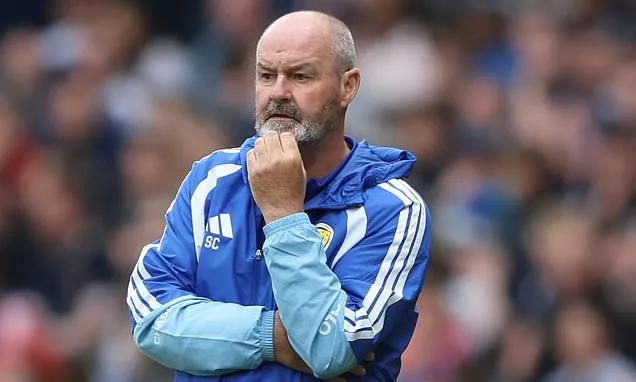
Nearly half a century later, there are concerns that history might be poised to repeat itself. While current manager Steve Clarke’s pronouncements are far more measured than his predecessor’s, questions are emerging about whether the current Scotland squad has already reached its zenith.
For the delayed Euro 2020, Scotland’s squad was the eighth youngest among the 24 competing nations, with an average age of 26.77. By Euro 2024, Scotland had become the second oldest squad, averaging 28.3 years, surpassed only by hosts Germany. Analysis of World Cup squads reveals that only a handful have featured players with an average age exceeding Scotland’s current 29.19.
A small number of players in the current squad were born in the 21st century. While half of the 26-man squad are under 30, only a select few, like Aaron Hickey and Scott McTominay, are considered certain starters. The challenge for Clarke lies in balancing the need for experience with the potential physical demands of playing in hot and humid conditions.
Performance Under Scrutiny
The team’s qualification for the tournament was undoubtedly a historic achievement, marked by an emphatic 4-2 victory over Denmark. However, a closer examination of performances leading up to that point reveals a more nuanced picture. While solid against Denmark in Copenhagen and competent against Belarus, the team showed vulnerabilities, including a fortunate win against Greece and a less convincing performance in Athens.
The age of some key players presents a potential challenge. For instance, the possibility of 43-year-old goalkeeper Craig Gordon featuring would place him among the oldest players to ever appear on the global stage. While a romantic narrative, pragmatism suggests concerns for a player with limited recent club action.
Defenders like Grant Hanley, now 34, and Kenny McLean, also in his thirties, face the prospect of a demanding tournament schedule. Skipper Andy Robertson, while still a formidable force at 32, faces the physical challenges inherent to his position at that age. Even dynamic midfielders like John McGinn and Ryan Christie might find their energy levels tested by younger, quicker opponents.
Youthful Potential and Strategic Choices
However, Clarke also has a pool of younger talent to draw upon. Scott McKenna, at 29, represents the younger end of the centre-back options. The manager could consider rotating partnerships with players like Jack Hendry. Kieran Tierney offers a capable deputy for Robertson, and emerging talents like Liam Henderson, who impressed in recent matches, provide much-needed dynamism.
Players like Ben Gannon-Doak, Finn Curtis, and Tyler Fletcher, all in their late teens, represent the future and could offer valuable energy and unpredictability. Lewis Ferguson, approaching his prime at 26, is expected to be a consistent performer.
The experience within a squad is undeniably crucial for success. Yet, this particular tournament demands a strategic integration of youth. The cautionary tale of 1978 serves as a reminder that overlooking the creeping effects of age can lead to disappointment. The current management has the opportunity to learn from the past and ensure that the Tartan Army’s hopes are not dashed by a failure to adapt.