US Military Targets Iranian Radar Installations Following Drone Activity
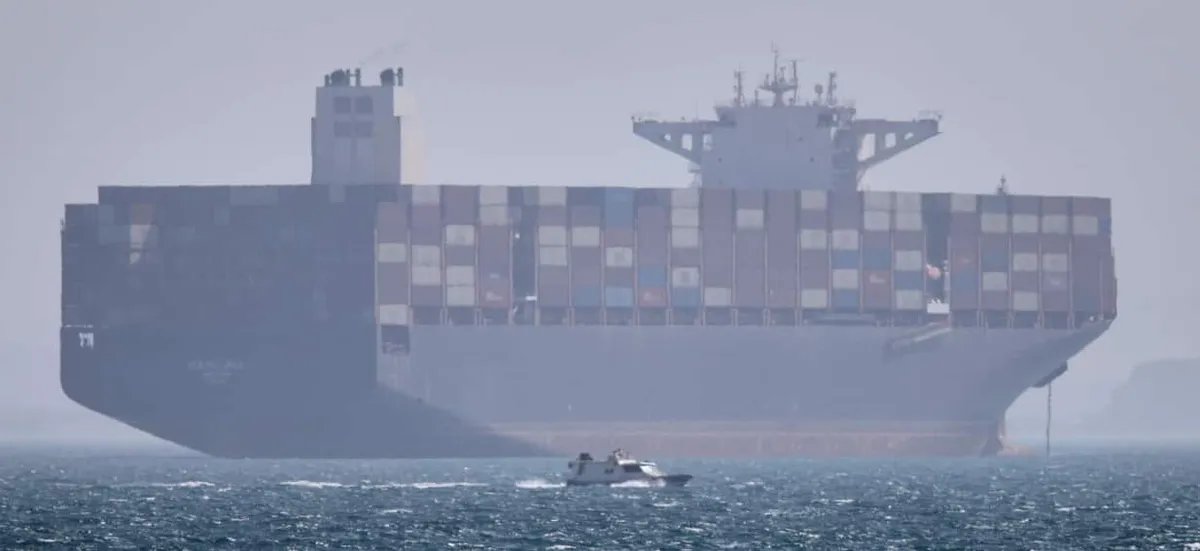
Military officials report that the United States has conducted strikes against Iranian coastal radar sites. This action follows intelligence indicating that four Iranian drones were observed posing a threat to regional maritime traffic. The U.S. Central Command announced via its social media platform that surveillance sites in Goruk and on Qeshm Island, both strategically located along the Strait of Hormuz, were targeted.
Iranian Retaliation and Regional Impacts
In response to the U.S. actions, Iran’s Revolutionary Guard Corps stated it had launched missiles at U.S. bases in the region. The Corps also claimed to have fired upon four tankers attempting to traverse the Strait of Hormuz without authorization. Separately, state media in Kuwait reported that its air defense systems intercepted missile and drone attacks of unknown origin. In Bahrain, residents heard sirens and were advised to seek shelter.
Iran asserted that it had struck U.S. bases in both Kuwait and Bahrain with ballistic missiles. However, the U.S. military indicated that it intercepted six missiles, with a seventh failing to reach its intended target.
Stalemate in Negotiations and Economic Ramifications
The United States and Iran have been engaged in ongoing, largely indirect negotiations aimed at securing an interim agreement to de-escalate the three-month conflict. Discussions are intended to address immediate concerns while deferring complex issues, such as Iran’s nuclear program, for future talks. However, periodic skirmishes have hindered progress toward a comprehensive deal.
Key demands from Iran as part of any potential agreement include access to billions of dollars in frozen oil revenues, waivers for sanctions on its crude exports, the lifting of a U.S. blockade on its ports, and leverage concerning the Strait of Hormuz. This vital waterway is critical for global energy transit, with approximately one-fifth of the world’s oil passing through it prior to the current conflict.
Economic Pressures and Diplomatic Statements
The conflict has contributed to rising global oil prices and has disrupted international supply chains for various goods. The UN World Food Programme has highlighted that the increase in fuel and transport costs is pushing millions of people closer to food insecurity.
An advisor to Iran’s supreme leader indicated that a peace deal is contingent on the U.S. administration unfreezing $24 billion in Iranian assets. This individual also issued a warning, suggesting that the U.S. would “enter into a dark corridor” if it resumed attacks.
Previously, following the commencement of hostilities against Iran, missile and drone strikes were directed at Gulf states hosting U.S. bases, leading to significant disruptions in shipping through the Strait of Hormuz.