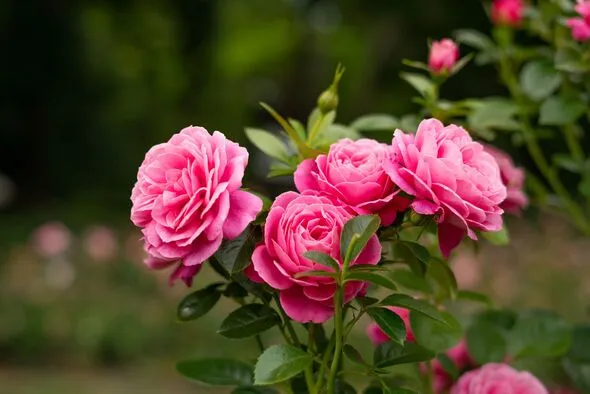
Gardeners aiming for a spectacular summer display of roses can significantly enhance their blooms by mastering a simple yet often overlooked technique: deadheading. While many believe removing spent flowers is sufficient, horticultural experts reveal a two-step process that encourages more vibrant and abundant flowering throughout the season and into early autumn.
The Two-Step Deadheading Process for Roses
The practice of deadheading involves removing faded or wilting rose blooms. This task is surprisingly straightforward and time-efficient. However, a common misconception leads many to stop after the initial removal of the spent flower head, missing a critical second step that promotes new growth and repeat blooming.
Horticultural content creator Michael Griffiths explained that the initial step is to identify and remove roses that are past their prime. These are typically flowers that have wilted, lost their color, or appear generally unappealing. The spent bloom should be cut at the base where it meets the stem. This can be done for individual flowers, leaving surrounding healthy blooms untouched.
Unlocking Repeat Flowering: The Vital Second Cut
The key to encouraging continuous flowering lies in the second stage of deadheading, a step frequently missed by gardeners. Griffiths emphasizes that this particular cut is instrumental in prompting the rose plant to produce more flowers and stronger new shoots throughout the summer months. This technique is designed to redirect the plant’s energy effectively.
When an entire cluster of roses has finished blooming, the next action is to locate the first strong leaf with five leaflets below the spent cluster. The stem should then be cut just above this five-leaflet leaf. This precise pruning encourages vigorous new growth and repeat flowering, leading to more blooms, stronger plant development, and a longer flowering season.
Griffiths further elaborated, stating, “Now you have a stronger bud which encourages more flowers.” This method ensures that energy is not wasted on spent buds but is instead channeled into developing robust new ones.
Additional Benefits of Proper Deadheading
Beyond encouraging more flowers, deadheading also plays a role in maintaining plant health. Removing spent blooms reduces the likelihood of fungal infections developing on the decaying petals and buds. The earlier deadheading is performed, the sooner new flowers can emerge, as the plant’s resources are redirected to bud development.
The Royal Horticultural Society (RHS) also endorses regular deadheading, noting its benefits across various seasons. For hybrid tea roses, the RHS suggests gently snapping off faded flowers, breaking the stalk just below the head. They observe that this method can stimulate more blooms more quickly than using secateurs. For other rose varieties, snipping individual flowers or clusters down to just above the next leaf is recommended.
A practical tip from the RHS for managing rose petals during deadheading involves cupping the flower in hand before cutting the stalk. This simple action helps to contain loose petals, preventing them from scattering widely.