Startups Face Continued Brain Drain Despite Budget Adjustments
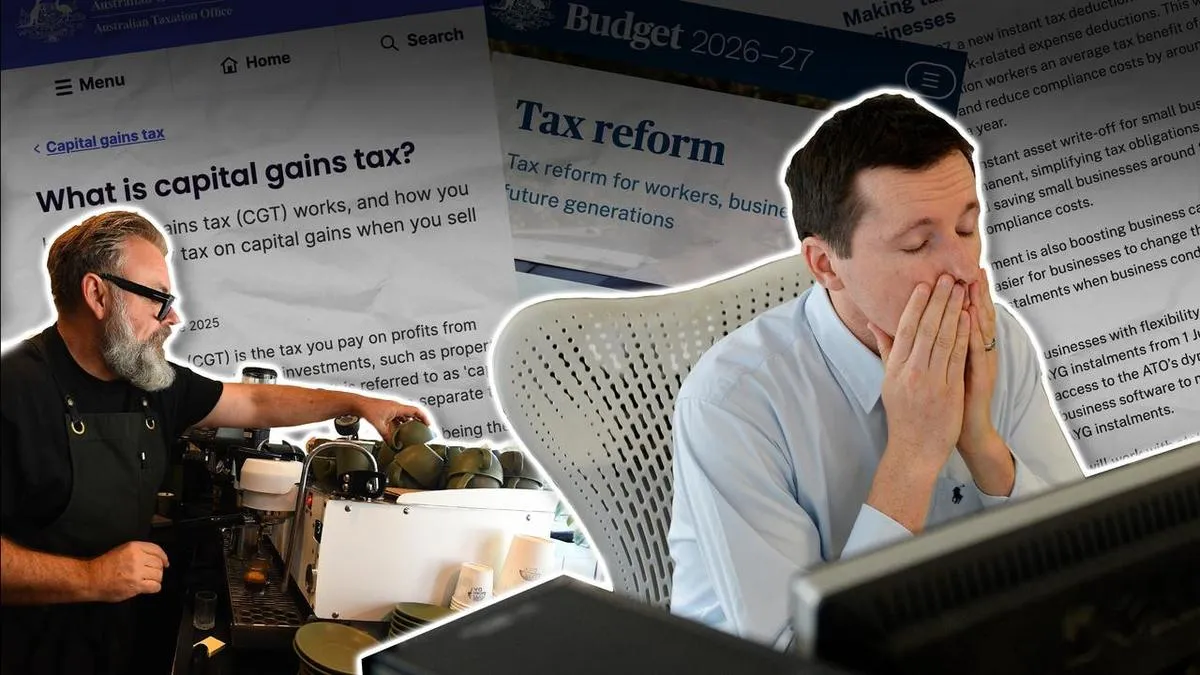
Despite recent concessions aimed at supporting innovative businesses, concerns are mounting that Australia will experience an intensified exodus of top talent. New adjustments to capital gains tax (CGT) rules, introduced in the federal budget, have been met with warnings that they will exacerbate a significant brain drain.
New Carve-Outs and Lingering Concerns
Under the revised measures, “innovative businesses” will continue to benefit from the existing 50 per cent CGT discount. Additionally, eligibility for the 50 per cent active asset reduction, typically available to small businesses, will be broadened. These changes come after Labor’s May budget initially proposed replacing the 50 per cent discount with an inflation indexation model and a minimum 30 per cent tax rate. While framed as a measure to benefit first-home buyers at the expense of property investors, these changes were ultimately applied to all assets, including shares and businesses.
For startups, which often begin with a minimal cost base for indexation, the original proposals could have effectively doubled the maximum CGT rate to nearly 47 per cent. This significant increase was seen as a disincentive for risk-taking and entrepreneurship, and a barrier to attracting skilled employees.
Impact on Startup Talent Acquisition
Startups typically have fewer resources for salaries compared to established corporations. Consequently, they often rely on offering employees equity, or “sweat equity,” in the form of company shares. This incentive promises a substantial payday if the company’s value increases significantly. However, the proposed tax changes were predicted to diminish the attractiveness of this model.
One founder, speaking anonymously to discuss the situation candidly, described the operating environment for Australian startups as already exceptionally challenging. He indicated that the outflow of young talent, typically in their 20s and 30s, towards the United States would likely accelerate. Furthermore, he noted that even the United Kingdom and New Zealand were becoming more appealing destinations.
“Every frontier lab is now chock-full of Australians working in the US,” the founder stated. “You get paid way more, you get taxed less. You get a bit of an adventure.”
Government Response and Industry Reaction
Consultations are currently underway to determine the precise implementation of these new carve-outs. A swift two-day parliamentary inquiry into the tax alterations is scheduled to deliver its final report this Friday.
Geoff Wilson, chief investment officer at Wilson Asset Management, viewed the government’s prompt action to protect startups as an implicit acknowledgment of flaws in the initial tax proposal. “The fundamental problem remains unchanged,” Wilson commented. “This is still a tax on aspiration, entrepreneurship and productive Australian capital.”
Skye Cappuccio, chief executive of the Council of Small Business Organisations Australia, acknowledged the carve-out as a positive step. However, she expressed ongoing concerns regarding the broader implications of the tax changes on investment, entrepreneurship, and overall productivity.
Shadow treasurer Tim Wilson characterized the concessions as akin to “polishing a turd.” He argued that by introducing more exemptions for small businesses rather than completely revoking the tax, the government was establishing a distinctly two-tiered system.
Chartered Accountants ANZ welcomed the decision to raise the eligibility threshold for the active asset discount. Susan Franks, the organization’s tax leader, stated, “These businesses are the lifeblood of our economy, and this change will make a real difference.”