

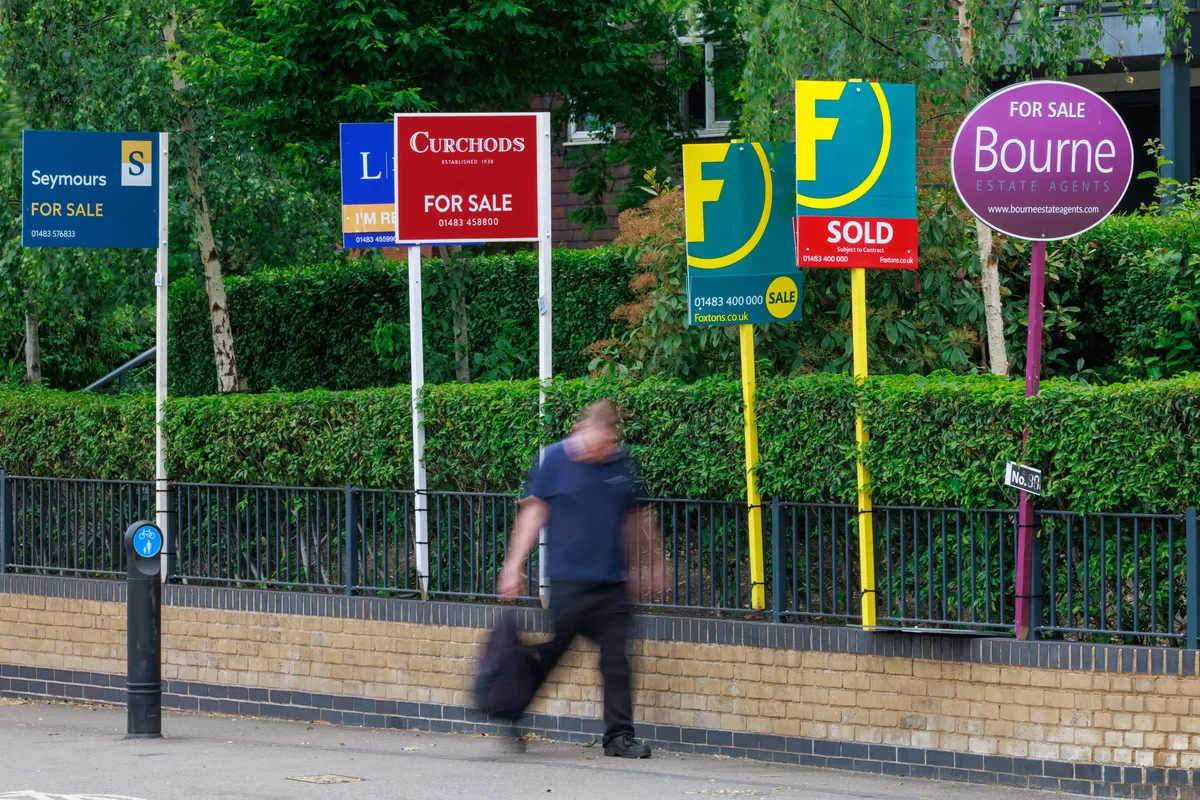
The dream of homeownership can be shattered by a practice known as ‘gazumping,’ a frustrating scenario where a seller accepts a higher offer from another buyer after already agreeing to a sale with you. This unfortunate situation most commonly affects properties that attract significant interest due to their quality, desirable location, or competitive pricing. Both starter homes and high-end properties can be targets for buyers willing to outbid.
For prospective homeowners, being gazumped can be both emotionally devastating and financially costly. While sellers themselves cannot be gazumped, it’s a reminder that the highest offer isn’t always the most secure. There has been growing advocacy for government intervention to outlaw this practice and prevent sales from collapsing.
Government Plans to Combat Gazumping
Recent indications suggest a major overhaul of property sale regulations is on the horizon, aiming to put an end to gazumping. Under proposed changes, property sales could become legally binding much earlier in the process, potentially as soon as an offer is accepted. This would involve the introduction of ‘binding conditional contracts’ designed to secure both buyers and sellers to the agreement sooner.
Should either party withdraw without a justifiable reason or fail to meet their obligations, they could face financial penalties. Peter Thum-Bonanno, co-founder of estate agent comparison site GetAgent, described the impact on buyers as ‘genuinely devastating.’ He noted, ‘You can have spent hundreds of pounds on surveys and legal fees and weeks of emotional investment in a property, only to lose it entirely through no fault of your own.’
Thum-Bonanno also highlighted the seller’s perspective: ‘For sellers, it can mean a higher sale price, but it also risks losing a reliable buyer for the sake of a marginally better offer that may not proceed.’
Strategies for Buyers to Mitigate Risk
Currently, there is no explicit legal protection against gazumping in England and Wales. However, several practical steps can significantly reduce the likelihood of this happening.
Act Swiftly After Offer Acceptance
The period between offer acceptance and the exchange of contracts is when gazumping is most likely to occur. Therefore, prompt action is crucial. ‘The longer the period between offer and exchange, the more opportunity there is for another buyer to appear,’ explained Peter Thum-Bonanno. He advises, ‘Instruct your solicitor immediately, get your mortgage offer in place fast and push for an early exchange date.’
Request Property Removal from Market
You can also negotiate with the seller’s estate agent to remove the property from the market as a condition of your offer. This action can help limit the exposure to competing bids.
Maintain Open Communication
Consistent and transparent communication with the seller and their estate agent can also play a role. Scott Clay from specialist mortgage lender Together stated, ‘Maintaining consistent, transparent communication with the seller and estate agent also reinforces your commitment and reduces the likelihood of them entertaining alternative offers.’
Scotland’s Legally Binding System
In Scotland, the process differs significantly. Once a formal offer is accepted, the sale becomes legally binding. Sellers are also obligated to provide potential buyers with a home survey. The deal is finalized when the solicitors for both the buyer and seller exchange official correspondence, known as missives. Any withdrawal by either party at this stage can result in financial compensation for the losses incurred by the other.
Seller Considerations: Beyond the Highest Bid
While sellers are not susceptible to gazumping, accepting a higher offer mid-sale can present its own set of challenges, according to property expert Jonathan Rolande. He noted, ‘Accepting another offer mid way through a sale has practical issues, as well as moral ones.’ Rolande elaborated, ‘A new buyer might not be as solid, the chain could snap and in the local property market, word can spread that the seller is not ethical.’
A slightly lower offer from a well-prepared and reliable buyer might ultimately prove more advantageous than a higher offer from someone facing financial difficulties or making complex demands. Furthermore, a seemingly higher offer could be undermined by a practice known as ‘gazundering.’
Understanding Gazundering
Martin Edwards, Director at HCB Widdows Mason, explained the distinction: ‘While gazumping is driven by the seller, gazundering happens when a buyer drops their offer just before contracts are exchanged, leaving the seller to choose between a lower price or a collapsed chain.’ This tactic puts pressure on the seller to accept a reduced price rather than risk the entire sale falling through, which can have a domino effect on interconnected property chains.









