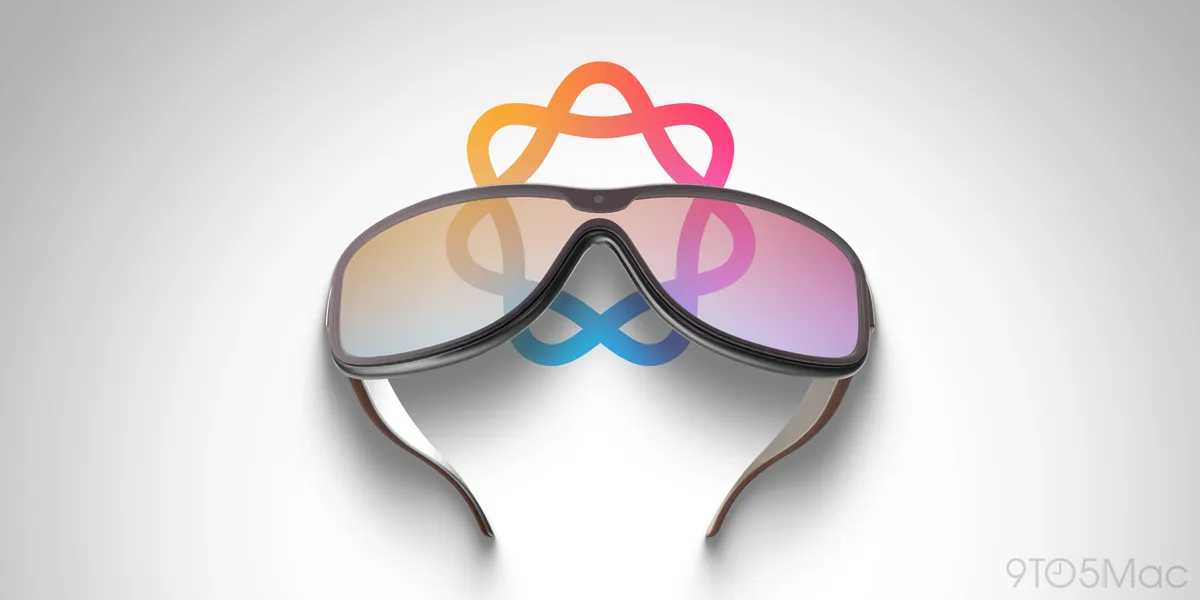
New reports suggest Apple’s upcoming smart glasses, potentially launching as late as 2027, will target the massive traditional eyewear market. This strategic shift, drawing parallels to the Apple Watch’s success, has generated considerable excitement for the product’s potential.
Focus on Traditional Eyewear Market
While the smart glasses industry remains relatively unproven, analysis indicates Apple is aiming for a significantly larger opportunity by competing directly with established eyewear brands. The company’s strategy appears to be to capture the segment of the market that purchases glasses priced between approximately $200 and $500. This range encompasses offerings from major players like EssilorLuxottica (Ray-Ban, Oakley, Persol, Chanel) and Safilo Group (Tommy Hilfiger, Hugo Boss), as well as direct-to-consumer brands like Warby Parker.
Brand Strength and Design as Key Drivers
Sources close to the matter indicate that Apple believes its strong brand recognition, renowned industrial design capabilities, and seamless iPhone integration will persuade consumers seeking new prescription glasses to opt for an Apple product. This approach suggests a fundamental belief that the glasses must first excel as conventional eyewear.
Why This Direction is Significant
The prospect of AI-powered smart glasses might appeal to a niche tech audience, but for the broader consumer base, there’s a degree of skepticism. Integrating advanced technology, such as cameras and AI, into a device worn all day on the face can be off-putting to many. By aiming to disrupt the traditional eyewear industry, Apple faces a dual challenge: designing a pair of glasses that are aesthetically pleasing and comfortable enough to wear without any added technology, and ensuring that the integrated tech does not detract from this primary goal.
Learning from Past Successes
The development of the Apple Watch serves as a potential blueprint. Initially, the focus was on its technological capabilities. However, its eventual success was built on its ability to function exceptionally well as a timepiece first, before its broader tech features took center stage. Similarly, the reported strategy for Apple Glasses emphasizes the need for them to be excellent glasses above all else. This implies that the design will prioritize a non-intimidating, everyday aesthetic, and that battery life will be a key consideration, likely avoiding the need for frequent charging.
This focus on fundamental wearability is expected to influence technological decisions. It’s possible that some advanced features found in competing smart glasses might be omitted in favor of a more universally appealing and comfortable product. The ultimate goal appears to be creating a device that is genuinely comfortable for both the wearer and those around them.
This latest insight into Apple’s approach has shifted cautious optimism to genuine excitement. While some may view this as purely a marketing strategy, the direction of marketing will undoubtedly shape the product’s design. If Apple can deliver glasses that feel and function like traditional eyewear, but with beneficial integrated technology, it presents a far more compelling vision than a complex, potentially off-putting AI-driven device.