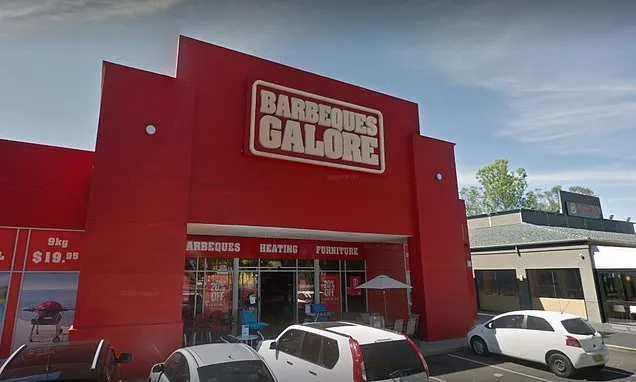
Australia’s largest retailer of barbecues and outdoor furniture is facing a complete shutdown, with hundreds of jobs at risk and numerous stores set to cease operations. Barbeques Galore, which operates 62 company-owned locations, will wind down its trading this month following the failure of a proposed rescue deal involving suppliers.
Store Closures and Gift Card Information
The closure of stores is scheduled to commence on June 16, with all outstanding gift cards being honored until June 30. Employees are anticipated to receive formal notification of the situation on Tuesday afternoon.
Previous Administration and Failed Rescue
This development follows the company’s entry into voluntary administration just a few months ago, in February. At that time, liquidity issues were cited as the primary cause, with plans for a potential restructure or sale being explored. However, these plans will now not be realized.
A proposal from Barbeques Galore’s main lender, Gordon Bros, aimed to steer the company out of administration through a deed of company arrangement. This initiative was ultimately unsuccessful due to an inability to reach agreeable commercial trading terms with key suppliers.
CEO’s Previous Outlook
Previously, David White, the chief executive of Barbeques Galore, expressed optimism about the business’s future. He stated, “Management was excited to turn around the business and move to the next evolution of the brand.” White also noted that “Considerable progress has been made in recent months leading to significant improvements across the business and operations; however, ongoing liquidity challenges have led to the necessary restructuring of the business.”
Economic Factors and Retail Impact
Industry experts had previously linked the company’s difficulties to the prevailing cost-of-living crisis and the limitations of apartment living, where space for barbecues can be scarce. Gerard Dwyer, national secretary of the Shop, Distributive and Allied Employees’ Association, commented on the broader implications for Australian workers. He remarked, “It’s a sign of just how tight things have become for working Australians.”
Dwyer further elaborated, “You can’t separate what’s happening in retail from the broader issue of wages not keeping up with the cost of living.” He added, “While wages have grown, they’re still lagging behind the cost of living. When wages aren’t keeping up, discretionary spending is the first thing to go and retail workers are the ones who pay the price.”