Canada Navigates High-Stakes Trade Negotiations Amidst U.S. Political Volatility
Canada is currently engaged in critical trade discussions with the United States and Mexico. While diplomatic efforts are intensifying in Ottawa, a prevailing sentiment across Canada suggests an unpredictable outcome, leading many to adopt a wait-and-see approach.
Dominic LeBlanc and Janice Charette, seasoned professionals with extensive experience in high-level diplomacy, have been diligently preparing for these negotiations for months. They have expressed a measured optimism that the talks will culminate in an agreement beneficial to all parties involved. Their perspective, given their direct involvement and regular communication with counterparts in Washington and Mexico City, warrants serious consideration.
Political Landscape Casts Shadow Over Prospects
However, from a purely political standpoint, there are significant reasons to question the likely success of these negotiations, and by extension, the potential impact on Canada’s economy. In a conventional scenario, negotiators like LeBlanc and Charette would anticipate engaging with a stable, predictable, and trustworthy U.S. administration, united in the objective of securing a trade pact that serves the best interests of all three nations. Such an environment has been absent since the outset of the current U.S. administration, and is particularly lacking now as the administration appears embattled, facing declining popularity and a series of setbacks.
When facing pressure, individuals or administrations may lash out at the most accessible target. In this context, a well-intentioned Canadian delegation, seeking to resolve numerous trade issues, could be perceived as a vulnerable point of engagement.
Mid-Term Elections and Presidential Challenges
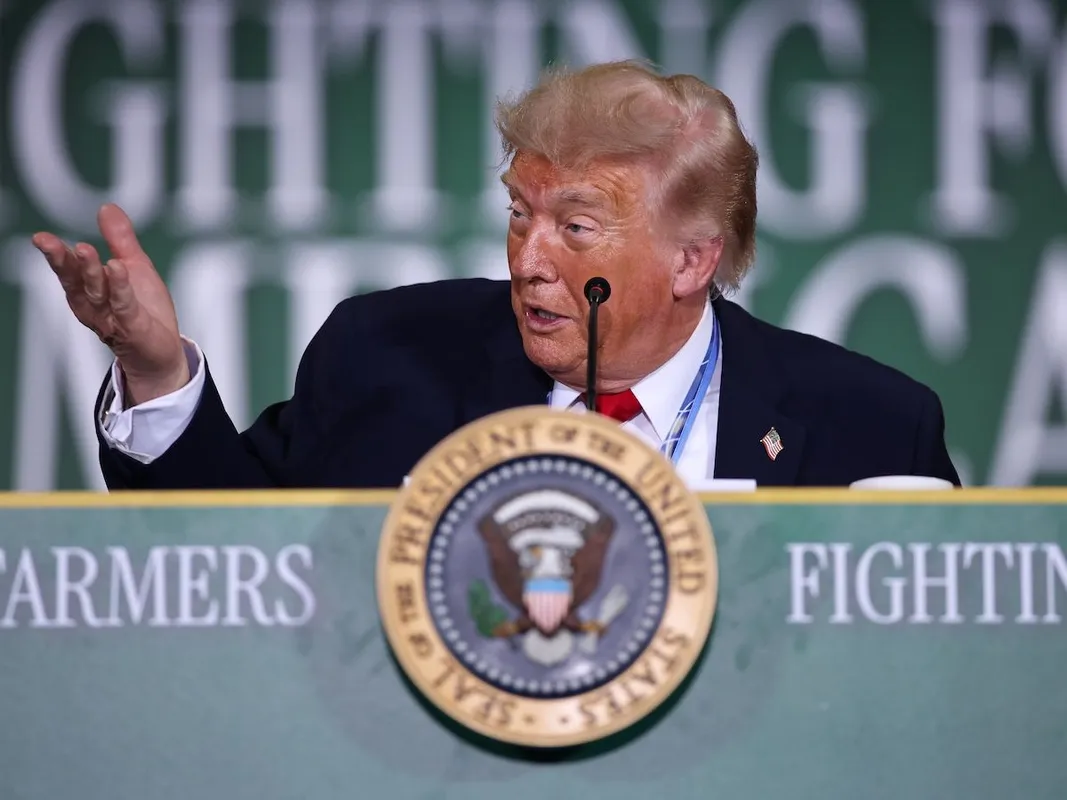
The lead-up to the U.S. mid-term elections is in full swing, and the outlook for the incumbent Republican party appears challenging. Recent primary votes in several states offer an early, though not definitive, indication of the political climate. If recent trends hold, advisors to President Trump may be on high alert.
The White House has encountered a series of notable challenges recently. These include a significant retreat under pressure from establishing a substantial fund widely viewed as a mechanism for rewarding political allies. Additionally, a court ruling mandated the removal of President Trump’s name from the John F. Kennedy Centre for the Performing Arts, affirming congressional intent to honor Kennedy alone. A planned celebratory event for America’s 250th birthday saw a notable refusal of participation from the announced lineup, citing misleading information. Furthermore, ongoing disputes surround the renovation of the White House east wing.
International Relations and Domestic Strife
U.S. foreign policy initiatives are also facing considerable difficulties. Recent reports indicate a strong rebuke from President Trump directed at an ally regarding actions in the Middle East. The conflict in Iran is increasingly being viewed as a misstep. Despite official assertions that the conflict is over, the Iranian regime remains in place, its nuclear objectives unchanged, and regional tensions persist, with ongoing military engagements.
The conflict initiated by Russia appears to be progressing in Ukraine’s favor, despite a perceived lack of robust support from Washington. While predicting the political future of any individual is complex, the current period represents a notable stretch of challenges for President Trump.
Observable signs of internal discord within the Republican party have emerged, fueled by frustrations over presidential interference in primary contests. Reports suggest significant discontent within the Senate, where experienced Republicans have been displaced by candidates with stronger alignment to the MAGA movement, potentially jeopardizing re-election prospects. This situation has created friction, potentially impacting the administration’s legislative support.
The Negotiation Arena for Canadian Envoys
This complex and volatile environment is precisely what Canadian envoys will be navigating as they advocate for adjustments to tariff rules, address existential threats to the automotive sector, and confront ongoing issues with lumber exports, among other concerns. The stated objective for Canada, according to Janice Charette, is to secure the lowest possible tariffs on the most limited range of goods, while maximizing market access for Canadian products.
Adding to the complexity, the ultimate outcome remains vulnerable to potential reversals from Washington. This inherent uncertainty is a significant concern, particularly given the U.S. president’s history regarding consistency and adherence to agreements.
A president who perceives himself as cornered and in need of a decisive win may prioritize outcomes that involve asserting dominance over other nations. The concept of mutual gain may be secondary to a narrative of American preeminence. Canada, in this context, could be perceived as an easily manageable target.
Given the prevailing political climate and the approaching mid-term elections, Canadian negotiators are advised to approach these discussions with realistic expectations and a comprehensive strategy for managing the potential fallout of an altered trade landscape.